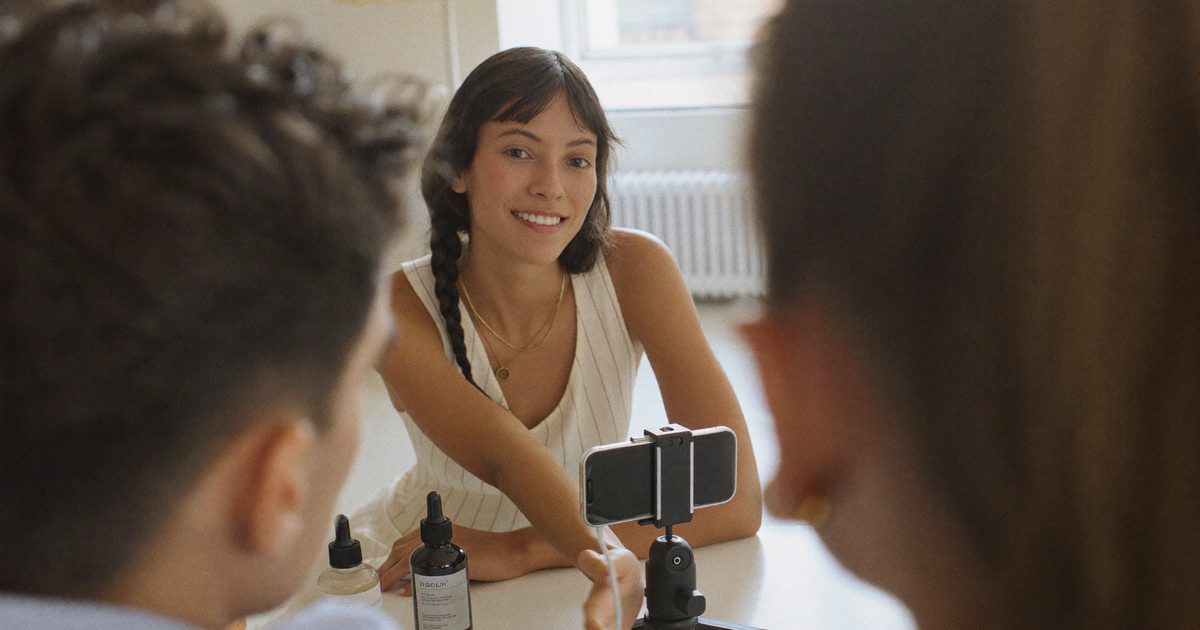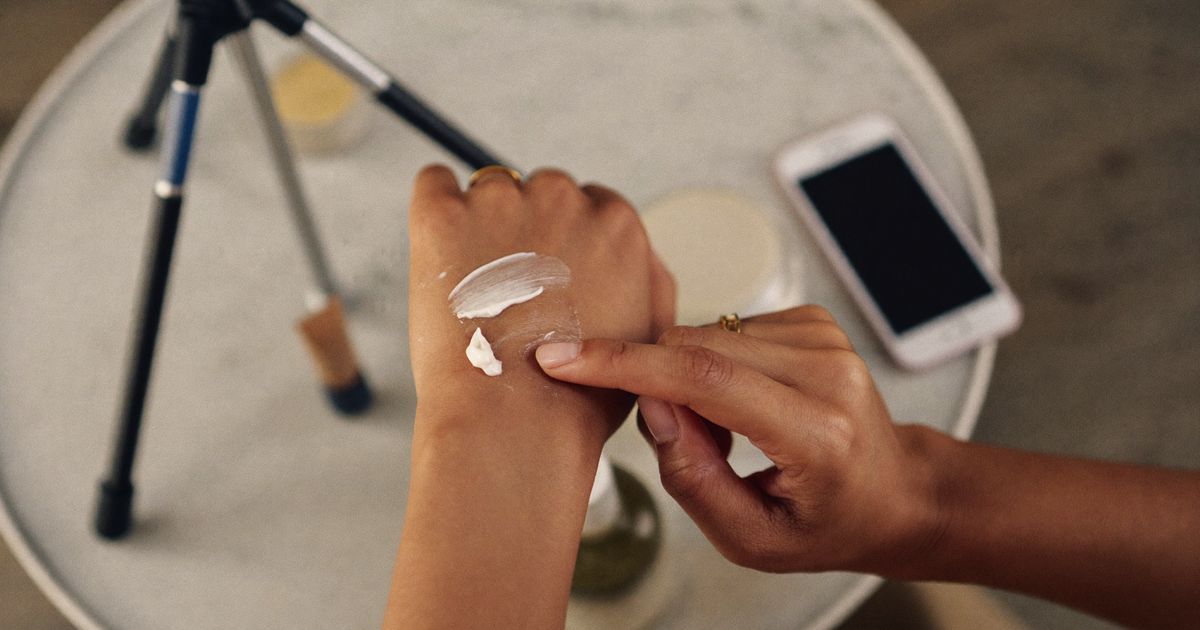
Scroll through Instagram Reels for ten minutes and you will notice something specific to beauty content: the videos that stop thumbs are not glossy brand films, they are a Hyderabad-based creator doing a before-and-after with a Rs.399 sunscreen under harsh natural light, or a Bengali woman in her bathroom demonstrating a 5-minute skincare routine entirely in Bangla. Indian beauty UGC has crossed a threshold where authenticity is not just preferred, it is what sells. If you are a beauty brand planning your next content sprint, this guide walks you through the step-by-step process of building a UGC programme that actually moves product in 2025 and beyond.
The Indian beauty and personal care market is expected to cross Rs.1.6 lakh crore by 2026, with D2C brands capturing a growing slice. But ad costs on Meta and Google are rising fast, and polished brand content alone is not converting the way it did three years ago. The brands gaining ground right now, from Minimalist and Dot & Key to regional players like Arata and Earth Rhythm, are investing in a repeatable UGC engine. Here is how to build one.
Step 1: Define the Content Formats You Actually Need
Before briefing a single creator, map out which formats serve each stage of your funnel. In beauty, three formats consistently outperform in the Indian market:
- Problem-solution Reels (30–45 seconds): Creator opens with a relatable skin or hair complaint, "mere face pe itne pores kyun hain", then introduces the product as the fix, shows application, and closes with a result. Works particularly well on Meta for cold audiences at the top of funnel.
- Routine integration videos (60–90 seconds): Creator slots the product naturally into their existing AM/PM routine, naming every product used. This builds category credibility and performs well as YouTube Shorts and Instagram carousel hybrids for mid-funnel retargeting.
- Comparison and ingredient breakdowns: Especially effective for skincare brands competing on formulation. A creator comparing two serums, "Minimalist niacinamide vs. [your brand] niacinamide", drives high-intent search traffic and gets shared in beauty communities on Reddit India and Facebook groups like Skincare Enthusiasts India.
Document which format maps to which platform and funnel stage before you cast creators. This prevents the common mistake of collecting 20 similar talking-head videos that can only run in one placement.
Step 2: Cast for Demographic Specificity, Not Just Follower Count
The most common briefing error we see in beauty campaigns is casting based on overall reach instead of audience overlap. A creator with 80,000 followers in Pune whose audience is 65% women aged 22–35 with high beauty purchase intent will outperform a 300,000-follower account with a diffuse, pan-interest audience.
For Indian beauty UGC, prioritise these casting criteria:
- Skin tone and type representation: India's diversity of skin tones, from wheatish to deep brown, is a real product-trust driver. A creator with Fitzpatrick IV–VI skin demonstrating genuine results for your SPF or foundation builds credibility that a single fair-skinned spokesperson cannot. Brief creators explicitly on this, "we want to show how this tinted sunscreen looks on morena skin tones" is a specific, actionable direction.
- Language-matched audiences: For brands targeting Tamil Nadu, Karnataka, or Maharashtra, regional-language creators are not a niche play, they are a primary channel. Tamil beauty creators on YouTube have audiences that are deeply loyal and convert at higher rates for regional D2C brands. Budget for at least 25–30% of your creator roster to produce content in regional languages.
- City-tier calibration: Tier 2 and cities across India, Coimbatore, Nagpur, Bhubaneswar, Lucknow, are where beauty category growth is actually fastest right now. Creators in these cities produce content that resonates with audiences there precisely because they share the same context: local weather, water quality (hard water hair damage is a real, searchable problem in many North Indian cities), and price sensitivity.
Step 3: Brief for ASCI Compliance from Day One
Beauty is one of the most scrutinised categories under ASCI (Advertising Standards Council of India) guidelines. Since the 2021 disclosure rules came into effect, paid creator posts must include a clear "paid partnership" or "#Ad" label, and beauty brands have faced public callouts for violating this. Build compliance into the brief, not as an afterthought.
Practically, this means:
- Require creators to use Instagram's native "Paid Partnership" tag or clearly place "#Ad" or "#Collab" in the caption's first line, not buried after hashtags.
- Avoid briefing claims that cannot be substantiated, "reduces pigmentation by 80% in 4 weeks" will trigger ASCI scrutiny. Frame results as personal experience: "I noticed my dark spots looked lighter after 3 weeks" is permissible; an absolute efficacy claim is not.
- For before-and-after content, a staple of beauty UGC, ensure the lighting, timeframe, and conditions are consistent and disclosed. ASCI has specifically flagged manipulated before-and-after imagery in beauty ads.
We brief creators to say exactly: "This is a paid collaboration with [Brand]. These are my genuine results after X weeks of use." That single sentence covers the disclosure requirement and actually increases trust with audiences who appreciate transparency.
Step 4: Build a Modular Production System
The brands that extract the most value from beauty UGC treat each creator shoot as a raw material source, not a finished ad. When you brief creators correctly, one 3-minute selfie video can be cut into six or more assets: a 15-second hook clip for Meta Stories, a 45-second Reel, a 6-second bumper for YouTube pre-roll, and a testimonial still frame for performance max campaigns.
To make this work technically:
- Send creators a shot list alongside the creative brief, not a script, but specific required shots: close-up of product texture on skin, the "before" state in natural light, a "reaction" moment. This gives your editor raw material to build modular edits.
- Request all footage in 9:16 vertical format at minimum 1080p. Most current-generation smartphones (from OnePlus 12 to Redmi Note 13 Pro) can do this. Specify that the creator should film near a window, not in bathroom artificial light.
- Ask for the product to appear in the first 3 seconds of any video. On Instagram Reels, the average Indian user decides to scroll past in under 2 seconds, the product needs to register before that threshold.
Step 5: Run Paid Amplification on Winning Organic Posts
A common gap in Indian beauty brand UGC strategy is treating creator posts as purely organic content. The highest-ROI move is whitelisting: running the creator's post as a paid ad from the creator's handle, using Meta's "Partnership Ads" feature. This preserves the authentic social proof, real comments, creator's face, genuine caption, while putting media budget behind it.
How to do this effectively:
- Wait 48–72 hours after a creator posts organically. If the post gets strong early engagement (saves, shares, and comments are more valuable signals than likes for beauty content), that is a signal the creative will work in paid placements too.
- Test the whitelisted post in two audience segments: a cold lookalike audience based on your existing purchasers, and a warm retargeting audience of website visitors who viewed product pages but did not convert.
- For Indian beauty audiences, Meta campaigns targeting women 22–45 in the top 8 metros plus Tier cities across India, with interest overlaps including "skincare", "beauty products", and "online shopping", typically deliver CPMs in the Rs.45–90 range for whitelisted UGC ads, substantially lower than branded creative at Rs.120–200 CPM for comparable placements.
Step 6: Create a Feedback Loop That Improves Every Batch
Most beauty brands commission one round of UGC, run it, and then brief the next batch from scratch. This wastes the most valuable asset you have: performance data telling you exactly what Indian beauty consumers respond to.
After each campaign cycle, analyse your top three and bottom three performing videos across these specific dimensions:
- Hook type: Did problem-led hooks ("I've been dealing with maskne for two years") outperform transformation hooks ("Here is my skin after 30 days")?
- Creator profile: Were micro-creators (10K–50K followers) outperforming mid-tier accounts on cost-per-click? In our experience with Indian beauty brands, this is frequently the case, engagement density matters more than reach.
- Language: If you ran Hindi and English versions, compare conversion rates, not just click-through. Hindi-language beauty UGC consistently shows higher add-to-cart rates for brands targeting non-metro audiences.
- Product focus: Single-product videos almost always outperform multi-product routine videos on conversion, save the routine format for awareness and retention, not direct response.
Feed these findings back into your next creator brief as explicit instructions. Over three to four campaign cycles, this compounding effect of data-driven briefing is what separates beauty brands with a 2x ROAS from those hitting 5x on UGC spend.
If you want to run this system for your beauty brand without building the production infrastructure in-house, talk to our team, we handle casting, briefing, production, and performance review end-to-end for D2C beauty brands across India.