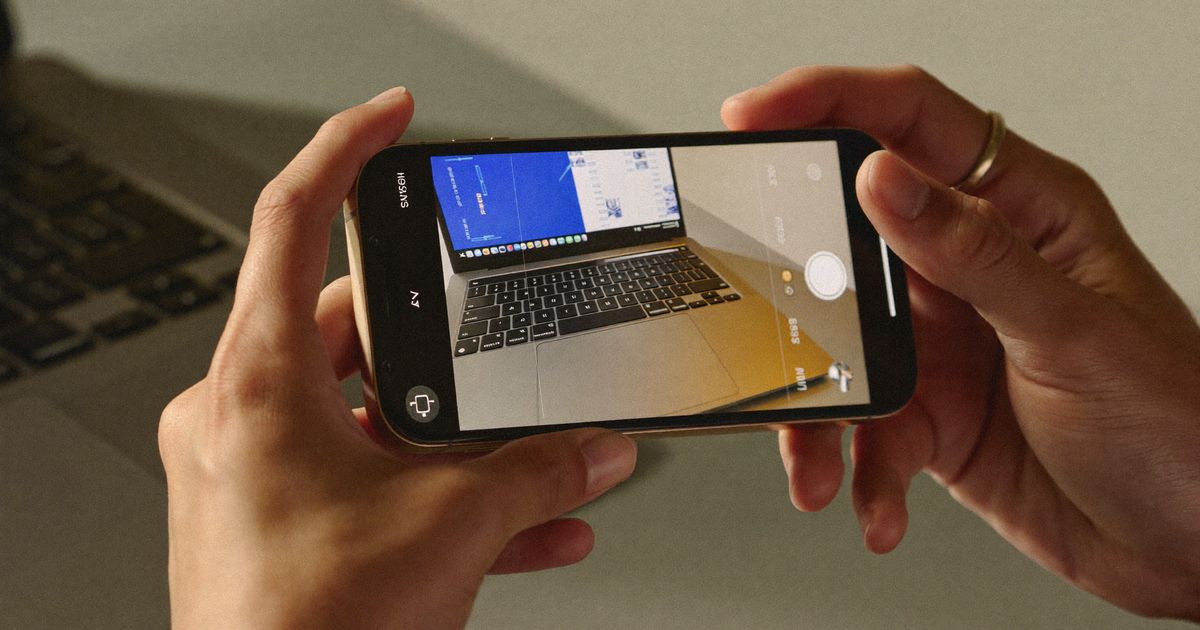
Mobile app marketing teams evaluating UGC for the first time often start with the same assumption: this should be easy to do in-house or through a few freelance creators. It is true that a mobile app UGC video does not require expensive equipment—most creators can screen-record or film themselves using the app on their phone. But the quality of a UGC programme depends less on equipment than on brief quality, creator selection, production consistency, and feedback loops—all of which require systems that most in-house app teams have not built. The comparison between in-house, freelancer, and agency models is ultimately a question of what your team can realistically manage at the volume and quality you need to run effective paid campaigns.
The In-House Model for App UGC
In-house UGC production for a mobile app is most viable when content volume requirements are low (fewer than four pieces per month), when the app team has a dedicated growth or content person who can absorb the creator management workload, and when the product is straightforward enough that a clear brief can be written without deep creative strategy expertise. The main advantages are speed of brief iteration (the brief writer is also the performance marketer, so feedback loops are immediate), lower per-piece cost, and direct access to any internal user base for creator recruitment. The limitations are brief quality (without a dedicated creative strategist, briefs tend toward feature listing rather than insight-driven story), creator diversity (an app team’s personal network is rarely diverse enough for systematic testing), and scaling difficulty when content volume needs to increase.
The Freelancer Model for App UGC
Hiring freelance UGC creators directly—either through platforms or creator networks—gives app marketing teams access to a wider demographic range than in-house recruitment. For apps with specific user demographics (a yoga app targeting women over 35, a language-learning app targeting working professionals in Tier cities across India), finding creators who fit the demographic precisely is possible through a freelancer approach. The challenge is consistency: a freelancer relationship without a strong brief, review process, and quality standard produces highly variable output. Managing four to eight freelancers simultaneously for a monthly content cadence is a significant coordination overhead that typically gets underestimated, leading to delayed content, missed quality standards, and ad accounts without fresh creative when campaigns most need it.
The Agency Model for App UGC
A UGC agency brings systems to the production process: a vetted creator roster (including creators who are familiar with screen-recording requirements and on-camera explanation of app interfaces), a brief framework calibrated to app marketing objectives, quality review that catches technical problems (notification pop-ups, screen lag, unclear audio) before delivery, and a production cadence that maintains a steady content pipeline. For app marketing teams running active paid campaigns on Meta or Google UAC, the agency model becomes cost-effective at volumes above approximately six pieces per month—below this threshold, the per-piece cost advantage of freelancers typically outweighs the system advantages of an agency.
App-Specific Considerations That Change the Calculation
Mobile app UGC has a specific technical requirement that changes the comparison: screen recording. Most freelance creators are comfortable filming themselves talking to camera, but not all are experienced at producing clean, professional-quality screen recordings while also providing coherent commentary. An agency with experience in app UGC has already solved this problem in their creator training. In-house teams building app UGC for the first time typically underestimate the number of unusable takes generated before creators get comfortable with the screen-recording format.
App UGC also has a usage context that differs from physical product UGC: the creator needs to have actually used the app enough to speak credibly about the experience. A brief that goes out with a product and a request for a review within 48 hours produces genuine experience for a skincare product but not necessarily for an investment app or a language-learning platform where meaningful experience develops over weeks. Build the usage period into your production timeline: creators should have a minimum of one to two weeks of active use before filming.
The Hybrid Approach for Growing App Teams
Many growing app marketing teams land on a hybrid model: in-house management of the brief and feedback process (which requires deep product knowledge) with agency or curated freelancer execution (which requires creator management infrastructure). This hybrid captures the brief quality advantage of in-house ownership and the production system advantages of external execution. As the programme scales, the agency component typically grows while the in-house team focuses on strategy and performance analysis.
Takeaway
The right UGC production model for a mobile app depends on content volume requirements, team capacity, and the technical demands of screen-recording content. In-house works at low volumes with a dedicated team member; freelancers offer demographic flexibility at moderate cost but require careful coordination management; agencies bring systems that become cost-effective above approximately six pieces per month. The hybrid approach offers advantages at growth stage.
Unsure which model fits your app’s current stage? Book a strategy call and let’s assess your volume, team capacity, and campaign objectives together.