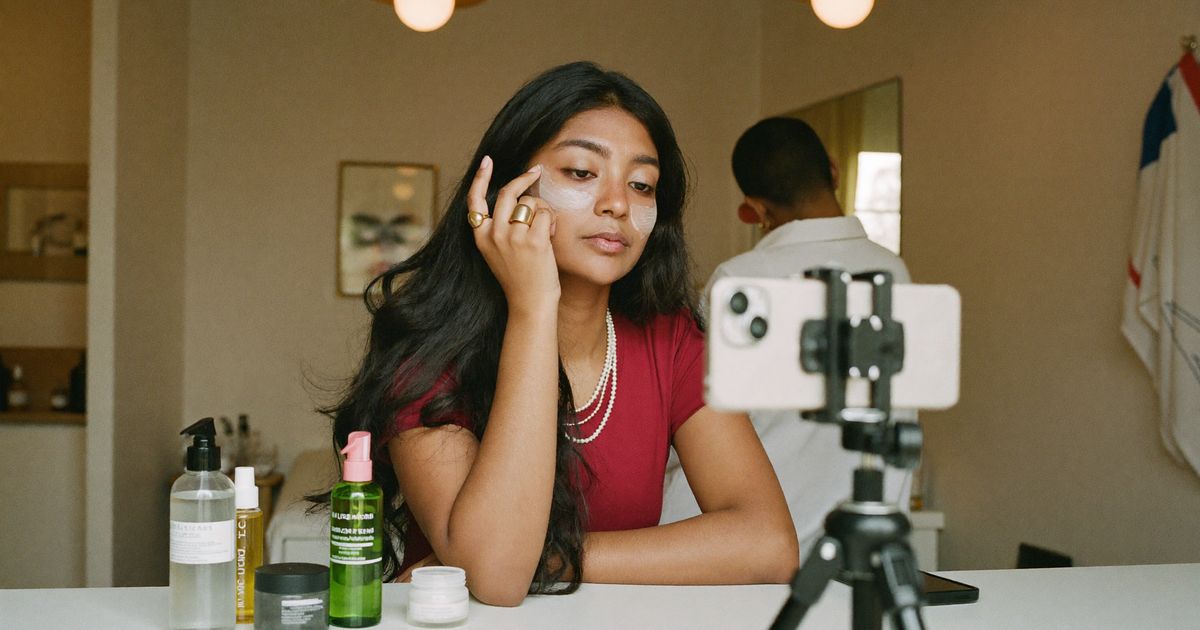
Jewelry is a category where the line between “wanting to buy” and “actually buying” is often crossed not by another price comparison or feature review, but by a moment of seeing how something looks on a real person who resembles you. This is the specific contribution that UGC makes to jewelry marketing—it provides the visual evidence of how a piece actually looks when worn in a real setting, on a real person, for a real occasion, in a way that catalogue photography and aspirational brand imagery rarely achieve. Building a UGC programme for a jewelry brand requires understanding this visual-emotional dynamic and planning the entire production process around it.
Step 1: Define the Occasions and Stories You Need
Before selecting any creators, map out the purchase occasions your jewelry serves. Everyday wear pieces need different UGC than wedding and bridal jewellery, which needs different content from gifting occasions. Each occasion has a specific emotional context and specific purchase questions. Everyday wear buyers want to know: does this tarnish? How does it look with casual outfits? Is it comfortable for long wear? Bridal buyers want to know: how does it photograph? Will it complement my outfit colour? How does it look in person versus online? Gifting buyers want to know: will the recipient love it? Is the packaging appropriate for a gift? Mapping these occasions and questions first determines what kind of UGC you need to produce.
Step 2: Creator Selection for Jewelry
Jewelry UGC creator selection must account for skin tone diversity more explicitly than most other categories. A piece that looks stunning on one skin tone may look different on another, and potential buyers want to see pieces on skin tones similar to their own. Build a creator roster that spans the Indian skin tone spectrum—this is not tokenism but commercial reality in a country with enormous regional and ethnic diversity in appearance. Also consider body type: someone with slender wrists reviewing a bracelet gives different information than someone with fuller wrists, and both are valuable for different buyer segments.
Step 3: The Jewelry UGC Brief
Jewelry UGC briefs require specific visual guidance that other categories do not:
- Lighting: Natural daylight shows metal colour and gemstone clarity most accurately. Warm artificial light distorts colour; avoid it.
- Background: A neutral, non-distracting background (plain fabric, wood surface) keeps attention on the piece. A lifestyle background (a coffee table, an outdoor setting) is appropriate for occasion-context shots.
- Angles: Brief creators to show the piece from multiple angles, including how it moves and catches light. A video of a necklace being put on and how it falls provides information that a static photograph cannot.
- Sizing context: Ask creators to mention their wrist size (for bracelets), neck length (for necklaces), or ring size. This helps viewers with different proportions calibrate what the piece might look like on them.
Step 4: Content for Different Funnel Stages
At the awareness stage, styling content—showing the same piece styled three different ways with different outfits—performs well on Reels and Pinterest. At the consideration stage, detailed wear-test video covering how the piece feels over a full day, whether it tangled, how it held up, and how it photographed is highly effective. At conversion, gifting testimonials—someone describing the recipient’s reaction—address the emotional payoff that jewelry buyers are ultimately seeking. At retention, content showing a piece at different occasions over time (the same earrings at a casual lunch, a work meeting, and a festive dinner) demonstrates versatility and drives re-purchase.
Step 5: Execution and Quality Review
Jewelry UGC quality review needs one additional filter that other categories do not: visual accuracy of the piece representation. Review footage against the actual product to ensure colour temperature, metal colour, and stone clarity are accurately represented. A video that makes a gold piece look silver, or makes a semi-precious stone look significantly brighter than it is in person, creates return risk when buyers receive the product and find it different from the video representation.
Takeaway
A well-planned jewelry UGC programme produces content that does something catalogue photography cannot: it shows real people wearing real pieces in real settings, addressing the visual and emotional questions that actually drive purchase decisions. The planning investment—mapping occasions, selecting diverse creators, writing detailed visual briefs—pays off in content that converts both paid campaign audiences and organic social followers into buyers.
Ready to build a UGC programme for your jewelry brand? Book a strategy call and let’s plan your creator roster and content calendar together.