Beauty and skincare brands account for 22% of all Indian D2C UGC spend in 2026, the single largest vertical, and the performance gap between brands that nail UGC vs those that don't is roughly 1.7-2.4x on Meta CPA. Beauty UGC has its own specific demands: precise lighting that flatters Indian skin tones, hook patterns that beat saturation (this category sees the most UGC ad volume), vernacular regional preferences, and ASCI rules on disclaimers and before/after claims. This playbook covers the format mix, hook patterns, creator profile, and 8-mistake-list specific to Indian beauty UGC.
TL;DR
- Beauty/skincare = 22% of Indian UGC spend in 2026, largest single vertical.
- Optimal format mix: 40% testimonial, 25% before-after, 20% routine/use-case, 10% texture/swatch, 5% comparison.
- Top hook formulas: price contrast, mistake confession, visual problem.
- Creator profile: real skin (not flawless), authentic concerns, vernacular ability adds 25-40% to performance.
- Lighting matters more here than any other category: ring light + window mix beats studio lighting for trust signal.
- ASCI risks specific to beauty: no medical claims, no before/after without disclosure of timeframe, no comparison to specific competitor brands without basis.
- Median Meta CPA for well-executed beauty UGC in India 2026: ₹280-₹480 for ₹500-₹1,500 AOV products.
1. Why beauty is the largest UGC category in India
Three structural factors:
1. Trust gap. Indian consumers historically distrust beauty marketing. Studio ads with airbrushed faces underperform UGC by 40-55% on CPA in this category, the largest gap of any vertical.
2. Visual format match. Beauty products show benefits on-camera (texture, application, before-after). The 9-15 sec Reel format is ideal for skincare/makeup demos.
3. D2C concentration. India's D2C beauty boom (Mamaearth, Plum, Sugar, MyGlamm, Wow, Nykaa-private-label brands) drives concentrated UGC demand.
The category leaders typically spend ₹15-50 lakh/month on UGC alone. Mid-tier brands (₹10-50Cr revenue) spend ₹3-8 lakh/month.
2. The 5-format mix that wins beauty UGC
2.1 Testimonial-style (40% of mix)
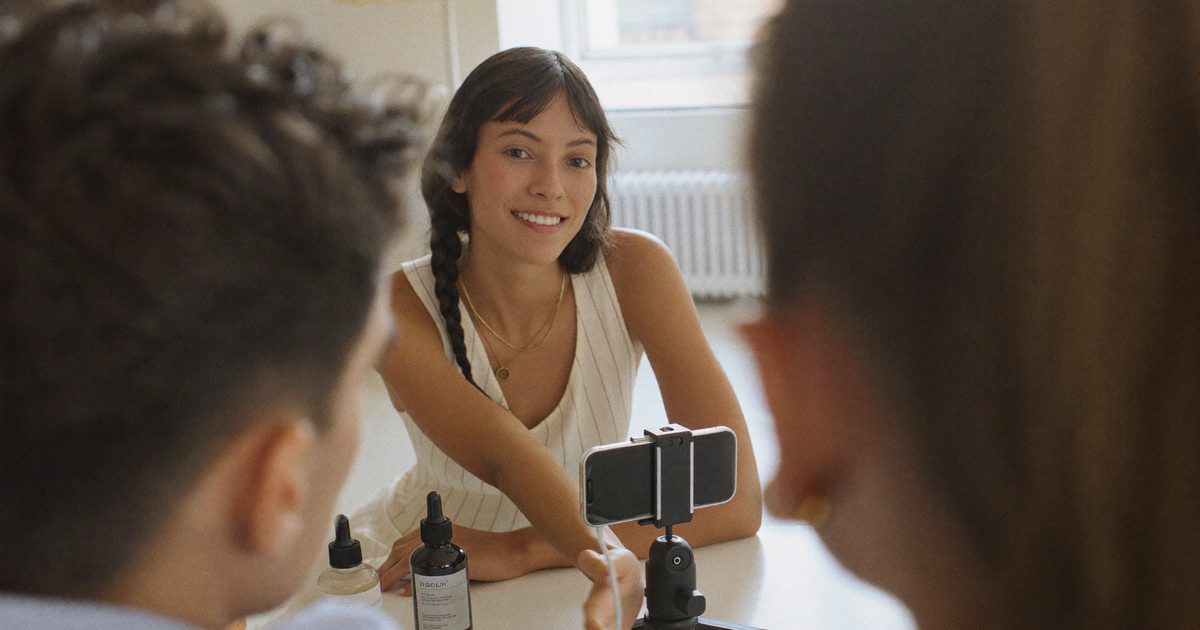
Real-user voice talking to camera about their experience. 12-15 seconds. Hook in first 1.5 sec.
Example hook: "I've had cystic acne since I was 14. I'm 28 now. This is the only product that's ever calmed it down."
Highest CPA-reduction per asset. Form the backbone of any beauty UGC library.
2.2 Before-after transformation (25% of mix)
Split-screen or sequential frames showing skin/hair/look before and after product use over a stated timeframe.
ASCI rule: always disclose the timeframe. "6 weeks of consistent use", never just "before and after" without time context.
Real-photo before/afters outperform any photoshopped or filter-enhanced versions by 35-50% in Indian D2C 2026.
2.3 Routine/use-case (20%)
"My morning skincare routine using [product]." 25-45 second video showing where the product fits into a real daily flow.
Strong for: serums, moisturisers, sunscreens (categories where consistency is part of the value proposition).
2.4 Texture/swatch close-up (10%)
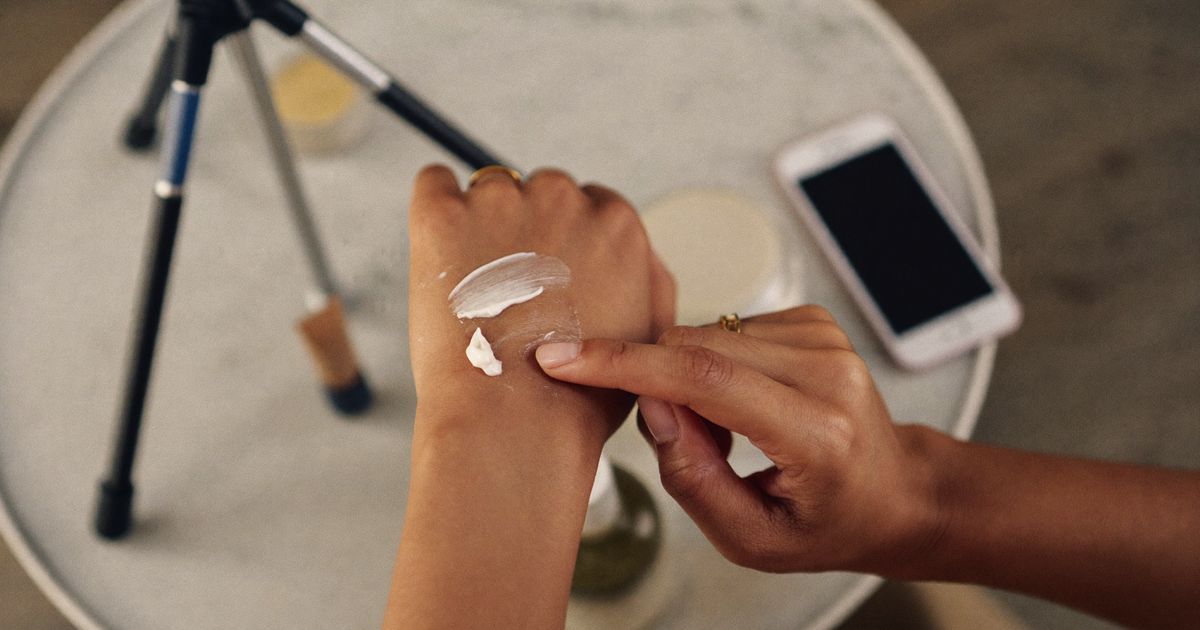
Pure product showcase. No human face needed. Macro-lens shot of product texture, swatch, application gradient.
Best for: foundation, lipstick, eye shadow, primer. Brands selling colour-payoff need this format.
Often AI-augmentable, combine creator voiceover with macro footage.
2.5 Comparison (5%)
"This vs [competitor product/category alternative], here's what I found."
Use sparingly. ASCI penalises unverifiable comparison claims. Compare against generic categories ("expensive luxury serums") rather than specific named brands unless you can substantiate.
3. Hook formulas that win Indian beauty UGC
Top-performing hooks across our 2026 beauty UGC sample:
- Price contrast: "₹15,000 luxury serum failed me. ₹699 this brand actually worked."
- Mistake confession: "I spent 4 years on the wrong skincare for Indian climate. Here's what I should have used."
- Visual problem: close-up of cystic acne/dry skin/dark circles in frame 0.
- Insider tell: "What dermatologists in Mumbai actually recommend (not what they put in ads)."
- Indian climate frame: "Foreign brands don't work on Indian skin in 40°C humidity. This one does."
- Mother-daughter authenticity: "My mum has been using [traditional approach] for 30 years. Then she tried this..."
Specifically avoid: airbrushed-perfection-face openers, "introducing our new..." brand-first hooks, anything that triggers "this is an ad" recognition in seconds 0-2.
4. Creator profile for beauty UGC
Real-skin creators outperform "perfect-skin model" creators by 25-40% on Meta CPA for beauty in India 2026.
Cast for:
- Actual skin similar to the buyer's concern (acne if the product targets acne; dark spots if it targets pigmentation)
- Vernacular fluency in addition to English (Tamil + Telugu + Marathi + Bangla creators command 25-40% premium and convert proportionally better in regional audiences)
- Age range matching the buyer (don't cast a 22-year-old for an anti-ageing product targeting 38-50 women)
- Authentic delivery (camera-trained over-actors lose trust signal)
- Comfortable showing close-up shots (texture, application, skin), many creators avoid extreme close-ups; ask explicitly in brief
5. Lighting: the technical detail that moves performance most
Beauty UGC lighting is the single technical detail brands underestimate. Studio-style three-point lighting reads as "polished ad" and underperforms.
Optimal setup:
- Soft ring light at 70-80% intensity (not 100%)
- Natural window light from creator's side (1-2 hours after sunrise or before sunset is ideal)
- Reflector on opposite side to balance shadow
- No backlit shots, backlighting flattens skin texture and reads as "studio"
- Same lighting for before-after, different lighting between before and after frames triggers ASCI scrutiny
6. ASCI compliance specific to beauty UGC
Beauty is one of the most-scrutinised categories under ASCI guidelines. Specific rules to follow:
- No "treats" or "cures" language for non-medicinal products. "Reduces appearance of" is acceptable. "Treats acne" is not (drug-claim territory).
- Before-after disclosure: timeframe must be stated. "6 weeks of consistent use" / "after 4 applications" / "morning vs evening of same day."
- Skin-tone diversity: ASCI's 2023 guidelines on beauty advertising flag campaigns that exclusively feature lighter skin tones. Plan creator casting for skin-tone range.
- "Dermatologist-tested" claims: must be substantiable. Have the dermatologist's name, designation, and consent on file if you're using this claim.
- "100% natural" / "chemical-free" claims: highly scrutinised. ASCI has issued multiple takedown orders against beauty brands using these without lab substantiation.
- #ad disclosure: upfront in caption, not buried in 30 hashtags. ASCI penalties in beauty average 1.5-2x harsher than other categories due to direct-consumer-misleading impact.
7. The 8 mistakes Indian beauty brands make in UGC
- Casting only flawless-skin creators. Real-skin creators convert 25-40% better.
- Studio-lighting UGC. Triggers "this is an ad" pattern. Use soft ring + natural light mix.
- English-only output. Misses 60-75% of India's beauty-buying audience. Vernacular variants drive disproportionate ROAS in Tier-2/cities across India.
- Generic timeframes in before-after. "After consistent use" is too vague. Specify days/weeks.
- Same creator everywhere. Same face across 8 variants causes ad fatigue at brand level. Rotate creators every 5-8 ads.
- Over-claim on results. "Cleared my acne" is risky if not substantiable. "Visibly reduced" is safer.
- No vernacular CTA. Even when the video is in Hindi, the on-screen CTA defaults to English. Lower conversion in vernacular audiences.
- Skipping the PDP UGC layer. UGC on Meta ads but studio images on the Shopify PDP creates a trust break, viewer clicks UGC ad, lands on glossy studio PDP, conversion drops 20-30%.
8. Frequently asked questions
Q: How much should a D2C beauty brand budget for UGC monthly?
₹5-25Cr revenue brand: ₹3-8 lakh/month (20-50 videos). ₹25-100Cr: ₹8-20 lakh/month (50-120 videos). ₹100Cr+: ₹20-50 lakh+/month with multi-language creator roster.
Q: Should we use the same creator across multiple campaigns?
Top performers, yes, but limit to 25-30% of total creative volume per creator to avoid brand-level ad fatigue. Rotate creators every 5-8 ads for the same campaign.
Q: What creators perform best for Indian skincare?
Creators with actual skin showing the concern your product targets, in the age range of your buyer, with vernacular fluency in addition to English. Avoid "model-perfect" creators, trust signal drops.
Q: Do AI-generated beauty UGC ads work?
Worst-performing category for AI UGC. The uncanny-valley effect is most visible on faces and skin. Indian D2C beauty AI UGC sees 50-65% higher CPA than human-creator UGC.
Q: How do I handle ASCI before-after disclosure properly?
Always state timeframe ("after 6 weeks of consistent use"), use same lighting/angle for both frames, avoid filter/photoshop enhancement, ensure the creator can substantiate they actually used the product for the stated timeframe.
Q: Should beauty UGC ads run in English or vernacular for Indian Meta?
Mix. 35-50% English (covers metros + aspirational Tier-2), 30-40% Hindi (broad pan-India), 15-25% regional (Tamil, Telugu, Marathi, Bangla, depends on your audience geography). Single-language strategies leave revenue on the table.
Q: What's the typical CPA for D2C beauty UGC on Meta in India 2026?
₹280-₹480 for products in the ₹500-₹1,500 AOV range with well-executed UGC. ₹150-₹280 for products under ₹500 AOV. ₹500-₹900 for premium ₹2,000-₹5,000 AOV products.
Q: How long does a beauty UGC ad stay fresh before fatigue?
Top-quartile beauty UGC ads scale 30-45 days before audience saturation drives CPA up. Beauty audiences are slightly more ad-tolerant than other categories due to higher product-discovery interest. Always have 8-12 backup variants ready.
Where to go next
For the broader Meta UGC creative patterns, see the Meta UGC creative playbook. For hook formulas including beauty-specific ones, the UGC script templates. To talk through your beauty brand's UGC programme, book a 20-min strategy call.