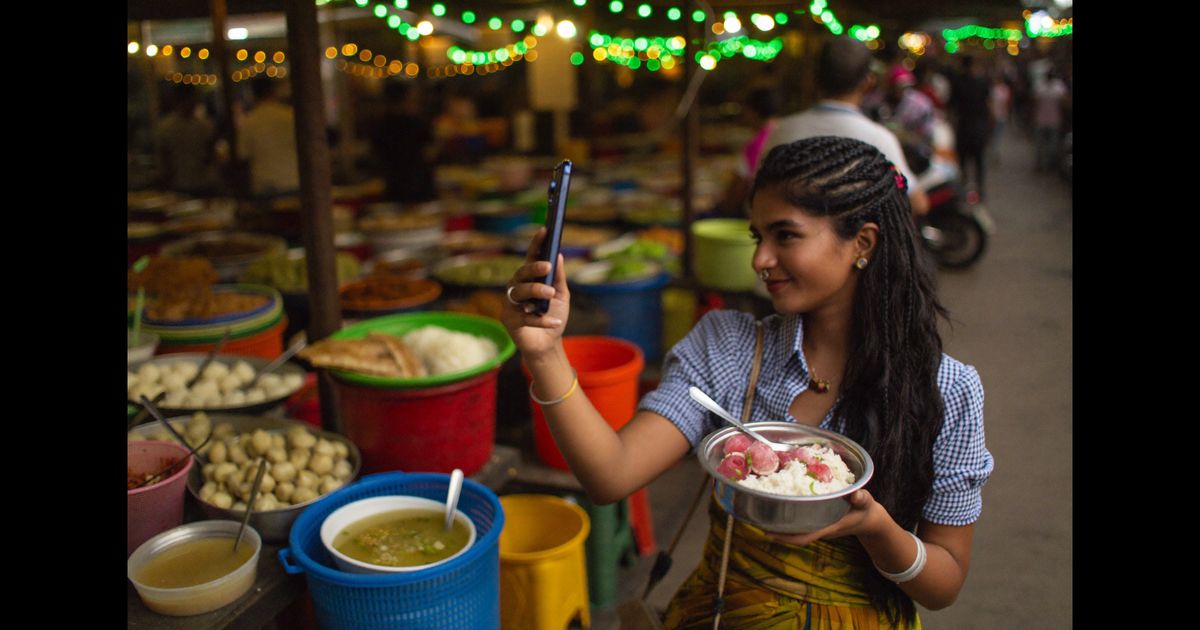
The "UGC vs influencer" framing is, in one sense, the wrong question. The right question is how to use each channel for what it is actually good at — and how to sequence them so they reinforce each other rather than compete for budget. The most efficient D2C brands in India are running a hybrid model where influencer activity seeds awareness and brand credibility, while a systematic UGC production engine drives measurable paid performance. Here is what that model looks like in practice.
The Core Insight: Different Jobs, Same Goal
Influencer marketing and UGC for ads are both trying to build sales, but through fundamentally different mechanisms. Influencer marketing works through authority transfer — the creator's credibility and relationship with their audience makes your brand more trustworthy by association. UGC for ads works through relatability conversion — a realistic peer testimony makes the buyer imagine themselves using the product and converts that imagination into a click.
These two mechanisms are not interchangeable. You cannot buy relatability conversion with a celebrity endorsement, and you cannot buy authority transfer with a talking-head video from an unknown creator. A hybrid strategy deliberately deploys each mechanism in its appropriate context.
Phase 1: Influencer-Led Brand Seeding
For brands entering a new category or launching a new product, the first two to three months of a hybrid strategy are influencer-led. The goal is to get the product in front of category-relevant audiences through trusted voices, generate organic buzz that the algorithm picks up, and produce a body of real creator content that can be reviewed and repurposed. Budget at this stage is allocated primarily to creator partnerships, with emphasis on micro and mid-tier creators (50K–500K followers) who have genuinely high engagement rates rather than vanity reach.
Phase 2: UGC Creative Testing Engine
Once the brand has category awareness, the creative testing phase begins. This is where UGC content production takes over as the primary investment. Using the messaging signals gathered from influencer campaign comments and DMs (what did the audience respond to? what questions did they ask?), the brand briefs a set of UGC hooks that speak directly to the audience's language. These are systematically tested in Meta Ads — six to eighteen variations covering different hook types, creator personas, and offer framings — to identify the creative formula that converts most efficiently.
Phase 3: Scaling Winners and Refreshing With Hybrid Content
Once a winning UGC creative is identified, it becomes the backbone of the scale campaign. But the brand does not abandon influencer activity — it redirects it. Influencer-produced content from phase one gets whitelisted and tested alongside UGC in the scale campaign. Sometimes an influencer's authentic review, with their handle visible, outperforms anonymised UGC because the creator's following recognises them even in a paid context. The hybrid library gives the media buyer more to work with.
At scale, the creative calendar typically follows a 70/30 split: 70% of creative output is systematic UGC production (high volume, owned assets, testable), and 30% is influencer-originated content (higher cost per asset, slower to produce, but different audience signal). The ratio shifts based on what the data shows — some categories, like premium fashion and luxury beauty, may find the influencer ratio needs to be higher; others, like supplements and home goods, run almost entirely on UGC.
What the Budget Split Looks Like
A workable starting point for brands spending ₹10–30 lakh per month on paid ads: allocate roughly 15–25% of total marketing budget to creative production, with a 60/40 split favouring UGC production over influencer fees. As data comes in and winning formulas are established, increase UGC output volume while reducing influencer spend to the creators and content types that demonstrably lift paid performance.
Takeaway
A hybrid strategy is not about splitting the difference — it is about deliberate sequencing where each channel does its specific job at the right stage. The brands that outperform in 2025 will have a creative production system that generates UGC volume efficiently and feeds the best influencer content back into the paid stack. If you want to design this kind of integrated creative programme for your brand, book a strategy call with us.