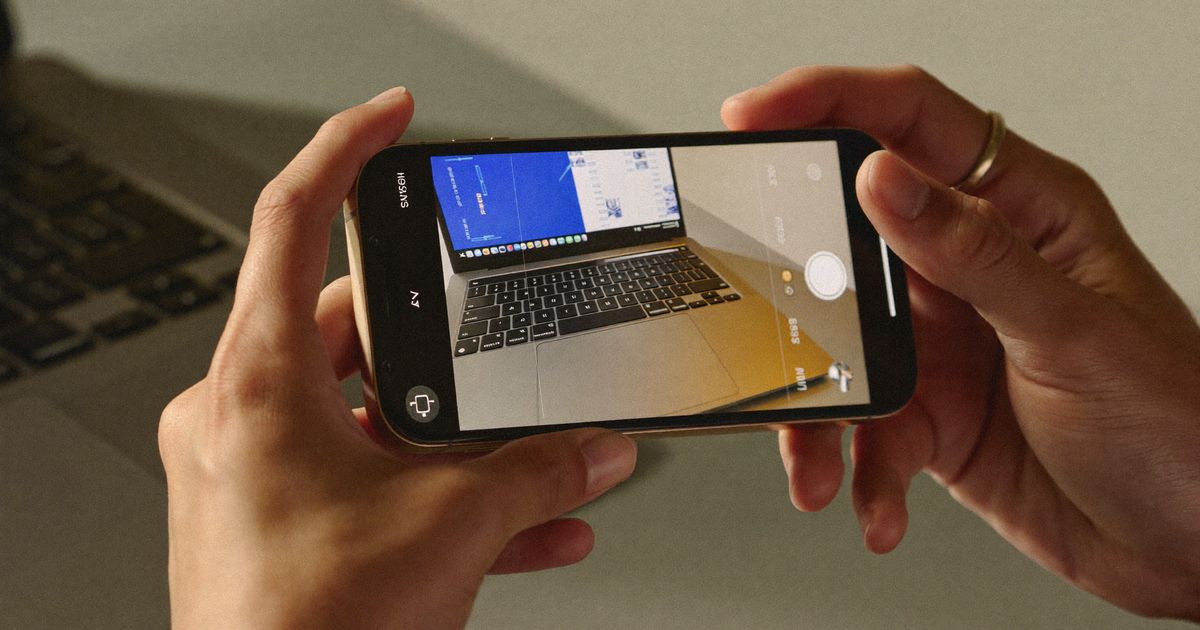
UGC for SaaS products presents a challenge that does not exist for physical goods: there is nothing to hold up on camera. You cannot show an unboxing, a texture, or a visible before-and-after. What you can show—and what converts significantly better than polished product demo videos—is a real person describing the specific workflow problem your software solved and demonstrating how they use it. That shift in framing, from product feature to workflow transformation, is where SaaS UGC becomes genuinely powerful.
Lead With the Workflow Problem, Not the Feature
The most common mistake in SaaS UGC briefs is starting with the product. 'Show how you use our CRM dashboard' produces generic screen-recording content that looks like a tutorial. 'Show me the specific moment in your work week where our tool saves you from something you used to dread' produces UGC that resonates with viewers who share the same workflow pain. Brief creators to describe the before-state in detail—the manual process, the spreadsheet chaos, the meeting that ran long because data was not centralised—before the product appears on screen.
Screen-Recording UGC: Making Software Visible
Screen recordings are the UGC format native to SaaS, but they are only effective if the on-screen action is commented and contextualised. A silent screen recording of someone navigating a dashboard proves nothing. A creator narrating what they are looking at, why that specific view matters to their business, and what decision they are making based on it transforms a screen recording into compelling social proof.
For Indian SaaS brands targeting SMB founders and team leads, the most effective screen-recording UGC shows real data—not dummy data. Revenue numbers, team productivity metrics, customer counts—these real numbers, even approximate ones, build far more credibility than a template populated with placeholder content.
Use Customer Testimonials Differently Than You Think
Customer testimonials in SaaS UGC should avoid the generic 'this software changed our business' format. Instead, anchor testimonials to specific, verifiable outcomes: time saved per week, reduction in a specific error type, the specific feature that replaced an existing tool. The more specific the claim, the more credible it reads to a sceptical B2B or prosumer audience. 'We cut our reporting time from four hours to forty minutes' is infinitely more convincing than 'the analytics are great.'
Segment UGC by Buyer Persona
SaaS buyers within the same product category often have different roles, different pain points, and different decision criteria. A project management tool is evaluated differently by a founder running a ten-person agency than by a department head in a two-hundred-person enterprise. Brief separate UGC for each key persona—same product, different angle, different creator archetype. The founder content might focus on cost control and visibility; the department head content might focus on team alignment and reporting. This segmentation dramatically improves ad relevance for each audience.
Build Trust Through the Trial-to-Paid Journey
Most Indian SaaS products use a freemium or free-trial model. UGC can be deployed at each stage of this journey: awareness UGC that surfaces the problem, onboarding UGC from creators showing their first-week experience, and conversion UGC from users explaining why they chose to pay. This journey-based approach uses the authentic experience of real users to guide prospects through each decision point rather than relying on brand messaging alone.
Takeaway
SaaS UGC converts when it shows real workflows, real outcomes, and real users—not polished demos of empty dashboards. The best practices are anchoring content to the before-state, making screen recordings personal and specific, using concrete outcome claims, segmenting by persona, and mapping content to the trial-to-paid journey. If you want help building a UGC programme for your SaaS product, book a strategy call and we will design briefs calibrated to your buyer profiles.