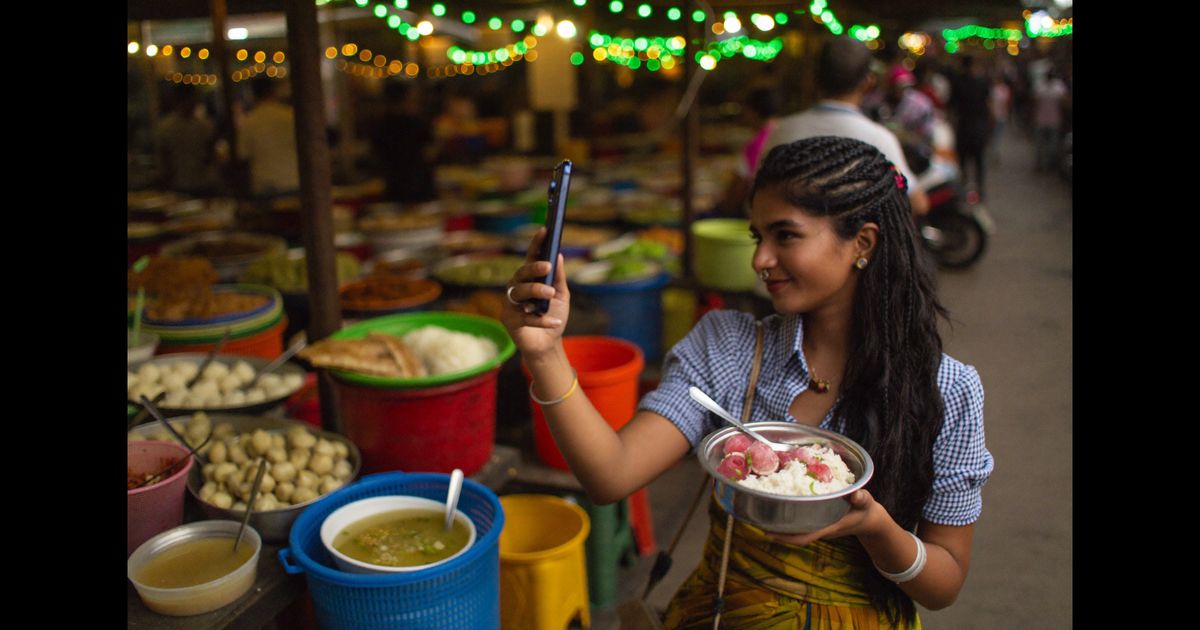
Travel in India is experiencing a generational shift. The Indian traveller of 2025 plans differently, books differently, and chooses differently from their parents' generation — and the digital content they consume during that planning process shapes their decisions in profound ways. Understanding where UGC fits in this landscape is not optional for travel brands that want to compete effectively; it is a strategic necessity driven by how travel purchase decisions are actually made.
How Indian Travel Decisions Are Made in 2025
The travel booking journey for an Indian consumer today involves a complex interplay of platforms, communities, and content types that did not exist five years ago. A trip plan typically starts with visual inspiration — Instagram Reels, YouTube travel vlogs, Pinterest boards — and moves through research phases that involve Reddit India travel communities, Facebook travel groups, WhatsApp networks among friends who have visited the destination, and Google Maps reviews. The final booking happens after this research phase, heavily influenced by what the consumer has seen from people they trust.
Brand advertising appears at the beginning of this journey — creating awareness, associating destinations with a brand's name. But the decisions are largely made by what happens during the research phase, where peer content dramatically outweighs promotional content in credibility and influence.
Where UGC Has Unique Power in Travel
Travel UGC has distinctive characteristics that amplify its power relative to other consumer categories:
- Destination expertise is visually verifiable: In travel, the creator's presence at a location is itself social proof — you can see the beach, the hotel room, the mountain trail. This visual verifiability makes travel UGC uniquely credible compared to product categories where the creator's claimed experience is harder to observe directly.
- The experience gap is enormous: The difference between how a destination or hotel looks in brand photography and how it actually presents to the everyday traveller is significant. UGC closes this gap with real-world footage, real weather, real crowds, and real room quality — the information that genuinely informs a travel booking decision.
- Community amplification is category-specific: Travel content generates some of the highest save, share, and return-view rates of any content category. A creator video about a Himachal Pradesh village or a Goa boutique resort that resonates will be shared in WhatsApp travel groups, saved for future reference, and viewed multiple times as the viewer plans their trip. This organic amplification is disproportionate in travel relative to most other categories.
The Domestic Tourism Opportunity
India's domestic tourism market is experiencing exceptional growth, driven by post-pandemic travel enthusiasm, improved road and rail infrastructure, and a generational shift toward experience spending among urban middle-class Indians. This market has a specific content gap that UGC is ideally positioned to fill: authentic coverage of lesser-known destinations, honest assessments of accommodation quality outside major metro hotels, and practical travel information (budget, logistics, what to pack, what to expect) that official tourism content never provides.
Travel brands — whether accommodation, experiences, or transport — that build creator networks capable of generating this authentic domestic travel content are positioning themselves for a decade of market growth that conventional brand advertising will not capture as effectively.
The Role of Micro-Creators in Indian Travel UGC
Travel macro-influencers — the creators with millions of followers who document luxury travel globally — are useful for brand association and aspirational awareness. But for travel conversion, micro-creators (those with audiences in the 5,000–100,000 range who focus on specific travel niches) are often significantly more effective, for several reasons:
- Their audience follows them specifically for travel content, meaning engagement rates and purchasing intent are higher.
- Their recommendations carry peer-like trust because they are not perceived as professional promotion machines.
- They typically produce more specific, practical content that addresses the real travel planning questions their audience has.
- They can cover regional and niche destinations that large creators would not commercially prioritise.
Measuring the Power of Travel UGC
Travel UGC measurement needs to account for the category's longer consideration and booking cycle. Track both immediate metrics (click-through rates, video completion rates, link engagement) and longer-term indicators (brand search volume increase in markets where UGC campaigns ran, booking attribution from audiences exposed to creator content within a 30–90 day window). Travel bookings made 60 days after first encountering a creator's content are attributable to that content in a way that immediate-conversion metrics miss.
Takeaway
The power of UGC for travel brands in India's digital landscape comes from a fundamental alignment: travel decisions are made through peer experience and authentic content, and UGC is the systematic production of exactly that. Brands that build creator content programmes aligned with how Indian travellers actually plan and decide are building a marketing advantage that cannot be replicated through conventional advertising spend alone.
Ready to build a travel UGC programme that captures the Indian traveller's research journey? Book a strategy call and let us design the creator strategy together.