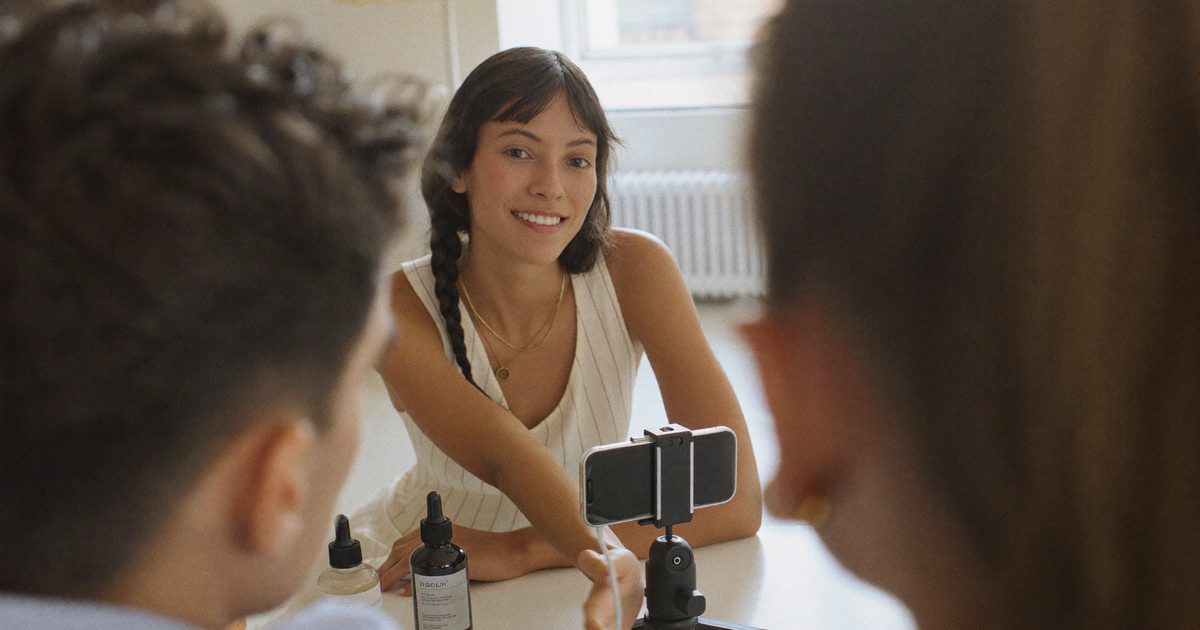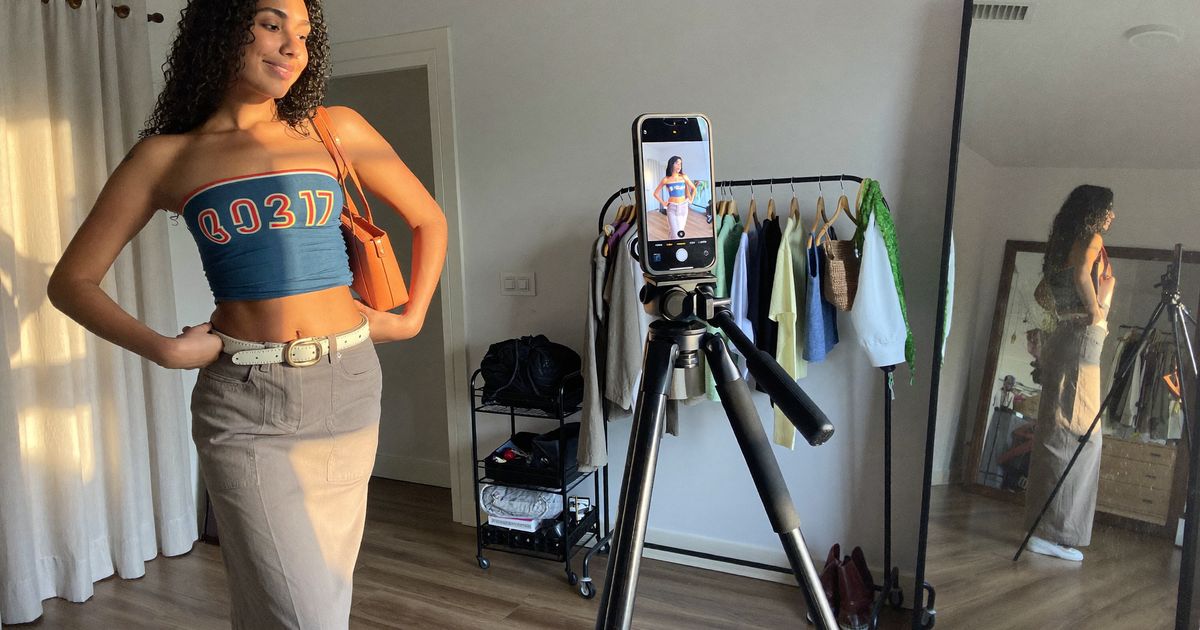
Indian fashion brands have invested heavily in editorial photography, celebrity endorsements, and glossy campaign imagery for decades — and for good reason. Fashion is a visual category and high-quality imagery communicates aspiration effectively. But something has changed in how digital audiences engage with fashion advertising. The most-shared, most-saved, most-purchased fashion content is increasingly not editorial at all. It is a real person showing an outfit haul, talking about how a dress fits for their body type, or demonstrating how to style a single piece three different ways in a video shot on a smartphone. Fashion brands that have not adapted to this shift are paying a premium for content that their audience is learning to skip.
The Body Diversity Problem in Fashion Advertising
One of the most concrete reasons UGC outperforms editorial fashion content for Indian audiences is body representation. Traditional fashion photography features a narrow range of body types that do not reflect the actual diversity of Indian consumers. When a buyer sees a kurta on a creator who shares their build, height, and skin tone — and hears her describe specifically how the sizing runs and which measurements to reference — the content answers the question that editorial imagery cannot: will this look right on me? This specificity is not just better marketing; it reduces the primary driver of returns in fashion ecommerce, which is fit and colour mismatch between expectation and reality.
What a Fashion UGC Agency Provides That a Freelance Creator Cannot
Commissioning a single creator to post about a collection is influencer marketing. A UGC agency for fashion provides something structurally different: a managed programme that produces content across multiple creators, multiple styles, and multiple brief objectives simultaneously, with performance tracking, iteration, and a production cadence that keeps pace with your ad spend. The agency also handles the compliance layer — ensuring UGC does not make specific quality or durability claims the brand cannot support — and provides the brief infrastructure that ensures brand consistency across diverse creator voices.
Formats That Work for Fashion UGC
The most effective fashion UGC formats include:
- Try-on hauls: Creators showing multiple pieces from a collection, with honest commentary on fit, drape, and styling versatility
- One outfit, three ways: Demonstrating the styling range of a single piece — office, casual, occasion — which increases perceived value and purchase motivation
- Fit and sizing guides: Creators with specific measurements explaining what size they ordered and how it fits, which directly reduces return rates
- Occasion-specific content: Content that connects a piece to a specific Indian occasion — a wedding guest look, a festive casual outfit, an office appropriate set — timed to match buyer intent peaks
How to Integrate UGC With Existing Fashion Creative
Fashion brands do not need to abandon editorial imagery to build a UGC programme. The two formats serve different functions. Editorial imagery establishes brand aesthetic and is appropriate for brand campaigns, lookbooks, and brand discovery contexts. UGC content serves the conversion layer — the moment when a buyer who has discovered the brand is deciding whether to purchase. Treating the two formats as complementary, each deployed where it performs best, is more effective than choosing between them.
Takeaway
Fashion brands in India's digital landscape are navigating a creative transition: from aspirational editorial content to authentic real-person content that addresses the practical questions buyers have before purchasing. A specialist UGC agency provides the production infrastructure, creator management, and performance tracking to make that transition at scale rather than through one-off influencer posts.
If you want to build a fashion UGC programme that drives conversions alongside your editorial creative, book a strategy call and let us show you what it looks like.