Live commerce in India crossed Rs. 10,000 crore in gross merchandise value in 2024, and the brands driving that number are not the ones running polished brand videos, they are the ones handing a phone to a real person and pressing "Go Live." If you have never thought about live stream UGC content before, this guide will explain exactly what it is, why it is growing so fast in the Indian context, and how any brand can start doing it properly.
Live stream UGC sits at the intersection of two things Indian audiences already love: live video and recommendations from real people. Understanding how these two forces combine is the first step to using them strategically.
What Is Live Stream UGC, Exactly?
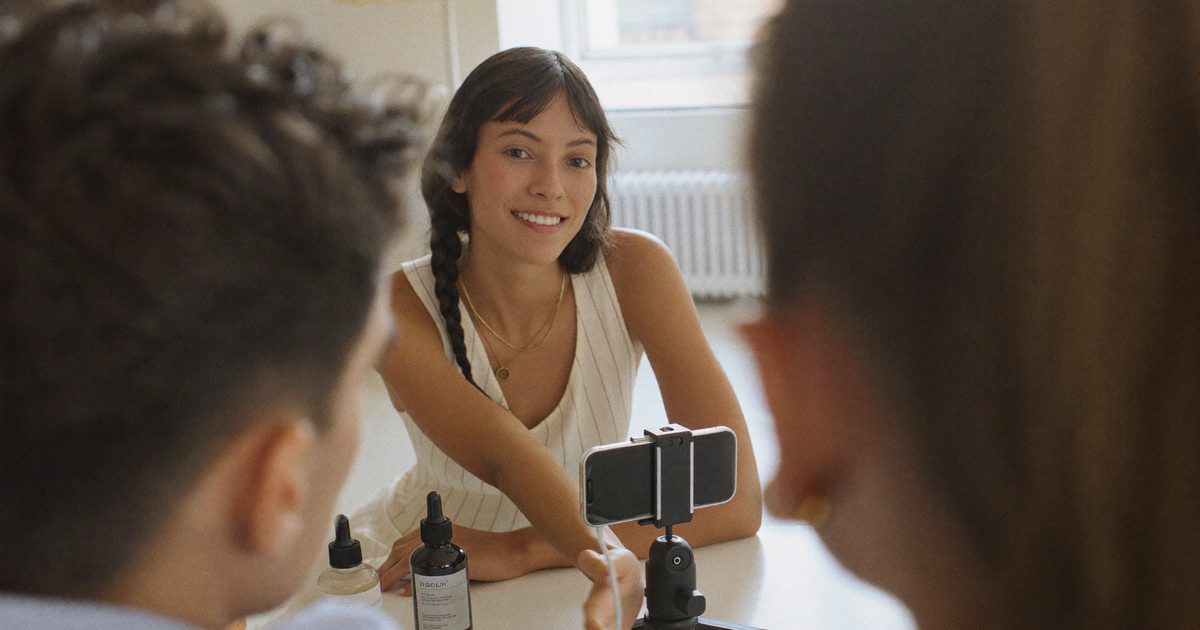
User-generated content (UGC) is any content about your brand or product that is created by a real person, a customer, a creator, or a brand-briefed individual, rather than a polished in-house production team. Live stream UGC is that same concept applied to real-time video broadcasts.
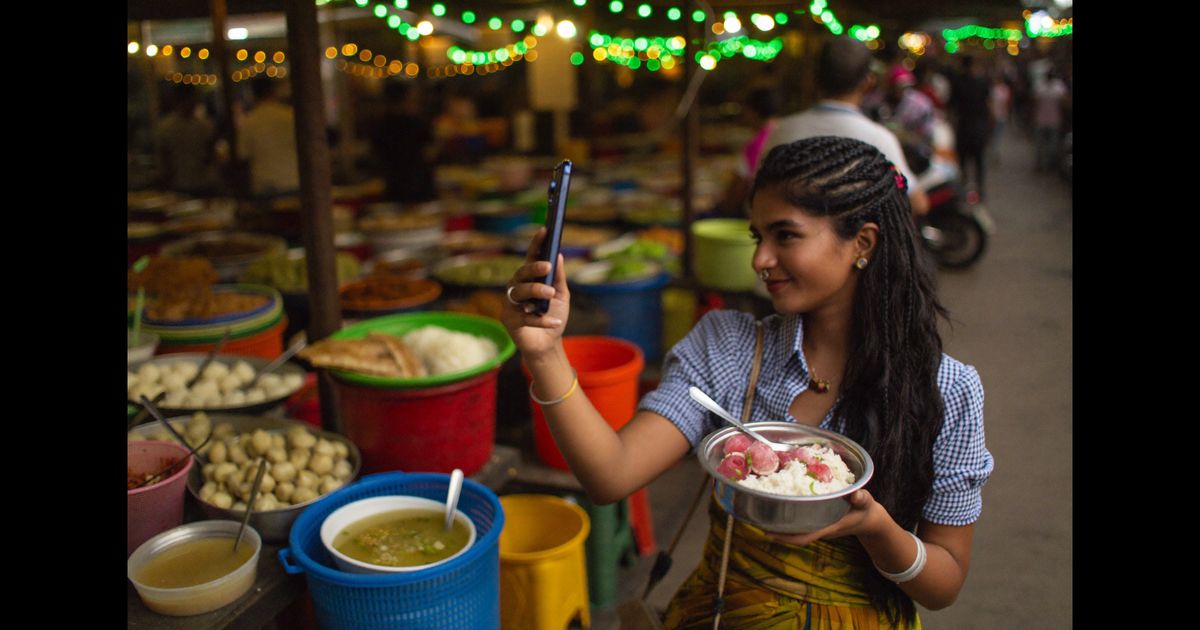
Think of a kurta seller in Surat doing a live haul on Instagram, showing fabrics under a tubelight while her followers ask questions in the comments. Or a skincare creator in Bengaluru going live on YouTube to do a first-use review of a new sunscreen. Or a Meesho reseller in Patna streaming a product comparison to her saved audience. The common thread: a real person, on camera, talking about a real product, in real time.
What separates live UGC from a pre-recorded testimonial is that audiences can interact mid-stream, asking questions, requesting demos, and even placing orders directly (on platforms that support live commerce). That interactivity fundamentally changes the trust dynamic.
The Platforms That Actually Matter in India Right Now
Not every live platform is equal, and some that are popular globally are simply not available or relevant in India. Here is an honest breakdown:
- Instagram Live: The most accessible starting point. Works well for beauty, fashion, and lifestyle. Creators can co-host, and brands can repurpose clips to Reels after the stream ends. Audience size is limited to followers unless the creator has strong reach.
- YouTube Live: Better for long-form demos, tech/SaaS products, and audiences in Tier 2 and Tier cities across India who prefer YouTube over Instagram. Streams are automatically saved and become searchable, a compounding SEO benefit that Instagram does not offer.
- Meesho Live and Flipkart Live: These are live commerce platforms baked directly into shopping apps. A creator or seller goes live, showcases products, and viewers can add to cart in the same session. Flipkart Live has worked well for fashion, electronics accessories, and home goods. These are arguably the most conversion-focused live UGC environments in India today.
- Amazon Live India: Currently limited in rollout compared to its US counterpart, but gaining traction in beauty and household categories. Worth watching in 2025–2026.
- Moj and Josh: Short-video platforms from ShareChat that support live streaming. Particularly strong in Hindi, Tamil, Telugu, and other regional languages. Underutilised by D2C brands but highly relevant for regional-market plays.
TikTok is banned in India and has been since 2020, any strategy built on it does not apply here. WhatsApp does not support public live streams (only Status and Channels), so live UGC there is not a viable format at scale.
Why Audiences Trust Live UGC More Than Edited Ads
The core psychology is simple: live video cannot be over-edited. When a creator opens a product on camera and the packaging is slightly dented, or they stumble on a product name, or they genuinely react with surprise, viewers read all of that as evidence the review is real. The absence of perfection is itself the signal of authenticity.
In a market where influencer fraud and paid-review suspicion run high (Indian consumers are increasingly savvy about #ad disclosures), live streams provide a format that is structurally harder to fake. A creator cannot re-take a live reaction.
We brief creators to treat the first 60 seconds of any product live as a genuine unboxing, no script, no teleprompter, just honest first contact with the product. The moments of genuine surprise or delight in those first 60 seconds consistently outperform everything else in the stream when we cut clips for Reels later.
This is also why ASCI guidelines on live influencer content matter. Under ASCI's 2021 Influencer Guidelines, any material connection between a creator and a brand, including free products or payment, must be disclosed upfront and clearly in the live stream itself, not buried in captions after the fact. Saying "brand partner" or "gifted" verbally within the first few seconds of going live is both compliant and, interestingly, does not significantly reduce trust if the creator is genuinely engaging with the product.
Formats That Work: A Beginner's Menu
If you are a brand running your first live UGC campaign, here are the formats that have the strongest track record in Indian markets:
- Live unboxing and first-use: Creator receives the product, opens it live, and tries it for the first time on camera. Works especially well for beauty, food/beverage, and consumer electronics. Budget for this kind of creator collaboration typically ranges from Rs. 3,000–15,000 per session for mid-tier creators (50K–300K followers), depending on platform and niche.
- Live Q&A with the brand: A creator or brand spokesperson goes live and takes audience questions about the product in real time. Works well for SaaS products, supplements, and any category where buyers have specific technical questions before purchasing.
- Live comparison: Creator puts your product side-by-side with a competitor or a DIY alternative and walks through the difference honestly. High-trust format because the creator is not just cheerleading, they are doing the work the buyer would otherwise have to do themselves.
- Haul live: Particularly strong in fashion and homeware. A creator orders from your catalog, goes live when the delivery arrives, and tries everything on or uses everything on camera. Meesho and Flipkart Live are natural homes for this format.
- Regional-language live sessions: A significantly under-served opportunity. A creator doing a live session in Tamil or Marathi or Bengali for a product that ships pan-India is reaching an audience that is largely ignored by English-language UGC. Vernacular live creators typically charge less and convert better within their linguistic community.
What Brands Get Wrong When They Start
The most common mistake is treating live UGC like a scripted ad. Brands send lengthy briefs, require specific talking points in a specific order, and ask creators to hold the product at a particular angle for a particular duration. The result is a live stream that feels like a bad commercial, and live audiences notice instantly and drop off.
A better approach is to give the creator three things: a clear understanding of who the product is for, one or two factual claims you need them to get right (ingredients, price, return policy), and total freedom on everything else. The creator knows their audience; they know what questions will come in the comments; they know the pacing their viewers prefer. Constraining that knowledge is expensive.
A second common error is not planning for the post-stream asset. A 45-minute live session generates enormous raw material, genuine reactions, answered objections, real use-case demonstrations. Brands that do not have a plan to clip, caption, and repurpose that footage are leaving significant value behind. Short clips (30–60 seconds) of the best moments of a live stream consistently perform as organic Reels or YouTube Shorts with no additional production cost.
Where Live Stream UGC Is Heading in India
Several converging trends suggest live UGC is becoming more central to brand strategy, not less:
- Live commerce integration deepening: Flipkart, Meesho, and increasingly Myntra are building native checkout into live streams. As friction reduces, the conversion window within a live session will shrink from days to minutes.
- AI-generated highlights: Tools are emerging that automatically identify the most engaging moments in a live stream and generate clippable segments. This removes the manual editing bottleneck that currently limits how much brands can do with live raw footage.
- Creator economies in Tier 2/cities across India: Jaipur, Indore, Coimbatore, Vijayawada, cities with large, engaged audiences and far fewer brand collaborations than Mumbai or Delhi. Creators in these markets are more accessible, more regionally authentic, and often produce live content that converts better in similar-tier markets.
- Regulation catching up: ASCI continues to update its influencer guidelines. Brands that build compliant live UGC workflows now, clear disclosures, honest claims, no misleading demos, will face far less adjustment cost when enforcement tightens.
Live stream UGC is not a niche tactic for early adopters anymore. It is becoming a standard layer in how Indian D2C brands build trust at scale. If you want to understand what a live UGC strategy would look like for your specific product category and market, book a free consultation, we will map out the right platforms, creator profiles, and formats for where your customers actually are.