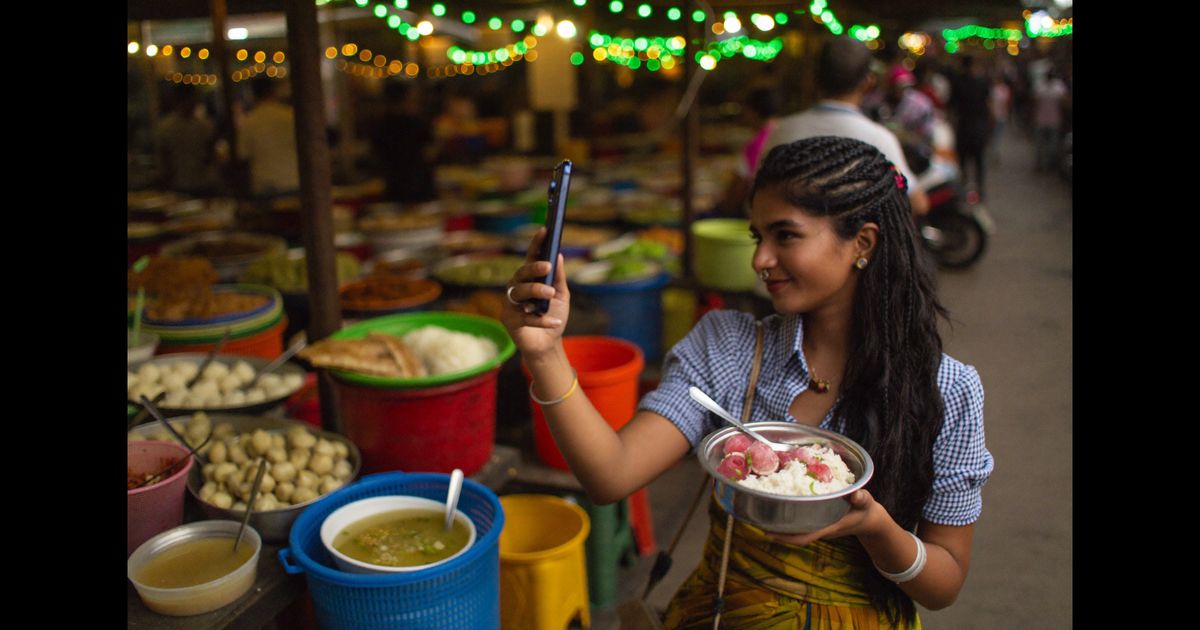
India's creator economy is projected to reach $480 million by 2025, according to FICCI-EY estimates, yet a striking share of brand campaigns built on this foundation quietly underperform or die mid-flight. Not because the creators were wrong, or the platforms were wrong, but because the brands made avoidable, repeating errors in how they entered and navigated this market. Understanding the creator economy in India isn't just about knowing the growth numbers; it's about knowing precisely where brands lose the opportunity those numbers represent.
This article is for brand managers, performance marketers, and founders who are already sold on the idea of creator marketing in India but want an honest map of the mistakes that erode ROI, and the corrections that actually work on the ground.
Mistake 1: Treating India as One Creator Market
India has at minimum eight distinct creator ecosystems operating in parallel: Hindi-belt Instagram Reels, Tamil YouTube, Telugu short-form on Moj and Josh, Marathi comedy, Bengali lifestyle content, Kannada tech reviews, English-language SaaS influencers on LinkedIn, and the vernacular finance space spreading across Tier cities across India in Rajasthan, UP, and Bihar. These ecosystems don't just speak different languages, they have different content norms, different credibility signals, and different audience expectations for what "authentic" looks like.
Brands routinely cast a single Hindi-speaking creator and call it a national campaign. The result: strong CPMs in Maharashtra and Delhi NCR, near-zero resonance in Tamil Nadu or West Bengal. For a D2C brand spending Rs. 8–12 lakh on a creator push, that's half the market entirely missed.
- What works instead: Map your SKU's top-revenue states first. If 40% of your revenue comes from Tamil Nadu and Andhra Pradesh, your creator brief should lead with Tamil and Telugu creators, not English or Hindi.
- Budget a minimum of 20% of creator spend toward regional-language talent, even on modest Rs. 60,000–80,000 campaigns. A micro-creator with 25,000 Tamil followers who reviews skincare will outperform a 200,000-follower Hindi creator in that specific geography.
- Platforms like Moj, Josh, and ShareChat are not second-tier, they index heavily in Tier 2 and Tier 3 markets where D2C growth is accelerating fastest right now.
Mistake 2: Confusing Follower Count with Commercial Influence
Indian brand buyers, especially those new to creator partnerships, still anchor negotiations to follower count. A creator with 500,000 followers commands a fee of Rs. 40,000–1,20,000 per Reel; a creator with 15,000 followers might get Rs. 3,000–8,000. The math seems obvious. The problem is that follower count in India is among the most inflated metrics in the world, a legacy of years of follow-for-follow pods, paid follower tools, and engagement farms that operated openly until 2022–23.
What actually predicts commercial outcome is comment quality, story view rate, and save rate. A 15,000-follower creator in the sustainable fashion niche who averages 300 genuine comments per post, questions about fabric, pricing, where to buy, is a more powerful commerce signal than a 300,000-follower general lifestyle creator with 0.4% engagement and comments that read "nice" or "love this."
- Ask for Instagram Insights screenshots covering the last 30 days before signing any contract: reach, impressions, story views, and profile visits are the four numbers that matter most for awareness objectives.
- For conversion objectives, request link-in-bio click data or UTM-tracked past campaign results. Any creator serious about brand partnerships will have these available.
- Niche micro-creators (10,000–50,000 followers) in categories like Ayurvedic beauty, small-batch food, regional fashion, and vernacular personal finance are currently the most underpriced inventory in Indian creator marketing. They should be the first budget allocation, not the fallback.
Mistake 3: Briefing Creators Like Ad Agency Copy Vendors
This is the mistake we see most consistently in production work with new clients: brands hand creators a three-page brief that specifies the exact script, shot sequence, music choice, and every spoken word, then wonder why the content performs like a TV commercial and not like organic UGC. Creators' audiences follow them for their voice. When the voice is replaced by a brand's legal-approved script, the audience notices immediately and scroll rates spike.
The brief should define the problem the creator must communicate, not the words they must say. Tell them what a viewer should feel or know after watching. Let them translate that into their language, their format, their personality.
- A good brief has three elements: the product truth (what does this product actually do, with proof), the audience context (who is the viewer and what's their current pain), and the one desired action (visit the link, save this post, DM for discount).
- Give creators creative latitude on hook, format, and pacing. We brief creators to deliver the product claim within the first 8 seconds, but the hook, how they open, is always their call. This preserves the authenticity that drives saves and shares.
- For ASCI compliance under the 2021 guidelines, the disclosure "Paid Partnership" or "#Ad" must appear prominently, in the caption above the fold and, for video, as a voice or text overlay. Over-scripting often leads creators to bury the disclosure in a wall of hashtags, which is an ASCI violation and a risk to the brand, not the creator.
Mistake 4: Measuring Only Last-Click Attribution
Indian performance marketers, trained on Google and Meta attribution, often apply the same last-click logic to creator campaigns. A creator posts on Monday; by Thursday, no direct sales from the UTM link; the campaign is declared a failure. This misunderstands how creator content actually converts in India.
The typical journey: a viewer sees the creator's Reel, screenshots the product, searches for it on Google or Flipkart two days later, and converts through a completely unrelated channel. That conversion never touches the creator's UTM. In a category like skincare or health supplements, where purchase consideration runs 5–14 days, a one-week attribution window captures less than half the real impact.
- Run a brand search volume baseline on Google Trends for your product name before and after a creator campaign. A 20–40% lift in branded search in the 10 days following creator posts is a reliable indicator that the campaign moved consideration, even if direct attribution is low.
- Track profile visits and follower growth on your own brand account during and after the campaign window. Creator audiences frequently visit the brand before purchasing.
- For campaigns spending Rs. 2 lakh or more on creators, run a Meta brand lift study or a simple pre/post awareness survey among target audiences in the creator's geographic cluster. These are more honest performance signals than UTM clicks alone.
Mistake 5: Ignoring the Creator Economy's Regional Growth Engines
The visible face of India's creator economy, Ranveer Allahbadia, Niharika NM, Komal Pandey, represents a tiny fraction of the total market. The real growth in 2024–26 is happening in regional YouTube and Instagram ecosystems that most brand marketers in Mumbai and Bengaluru have never heard of. Tamil comedy creators with 2 million subscribers. Odia food creators monetising through local restaurant partnerships. Gujarati business-advice channels driving insurance and mutual fund inquiries at a scale that surprises even the brands who accidentally discover them.
Brands that only brief aggregator platforms or rely on Delhi-NCR talent agencies for sourcing are systematically missing this ecosystem. They see the regional opportunity in hindsight, after a competitor has already locked in category-defining creator relationships in those markets.
- Search YouTube and Instagram directly in regional languages for your product category. A search for "best face wash" in Tamil or Telugu will surface active, engaged creators your agency has almost certainly never presented to you.
- Regional creators typically charge 30–60% less per piece of content than equivalent-reach Hindi or English creators, and frequently deliver 2–3x higher engagement rates with their specific audience.
- Long-term retainer relationships, three to six months, three posts per month, outperform one-off campaign buys in building the kind of audience trust that drives repeat purchase and word-of-mouth in Tier 2 markets.
Mistake 6: Not Building an Asset Library from Creator Content
Creator content, once posted, has a second life that most brands fail to capture. The same 45-second Reel that a skincare creator posted organically can, with proper licensing written into the contract, become a Meta Advantage+ creative, a product page video, a WhatsApp Status broadcast to your existing customer list, and a testimonial clip on your website. In our production experience, brands that repurpose creator-shot content across paid channels consistently see lower CPAs compared to studio-shot creative assets, because the aesthetic reads as authentic to platform algorithms and audiences alike.
- Every creator contract should include a usage rights clause specifying: platforms covered (Meta, Google, website, WhatsApp), duration (minimum 6 months for paid usage), and any exclusivity requirements in the category.
- A standard usage rights fee in India is 20–40% of the base creation fee for a 6-month Meta usage license. This is negotiable but must be agreed before posting, retroactive licensing is far more expensive and often unavailable.
- Organise your content library by format (talking-head review, demo, unboxing, testimonial) and by audience type (first-time buyer, repeat customer, gifting use-case) so your media buyer can pull the right asset for the right audience segment in a performance campaign.
India's creator economy will keep growing, but the brands that capture disproportionate value from it will be the ones that avoided these structural errors early, built disciplined sourcing and briefing processes, and treated creator content as a strategic asset rather than a one-off channel experiment. If you want a production partner who can brief, source, and build a repeatable creator content engine for your brand, start with a consultation, we'll map the right creator mix for your category and geography before any spend is committed.