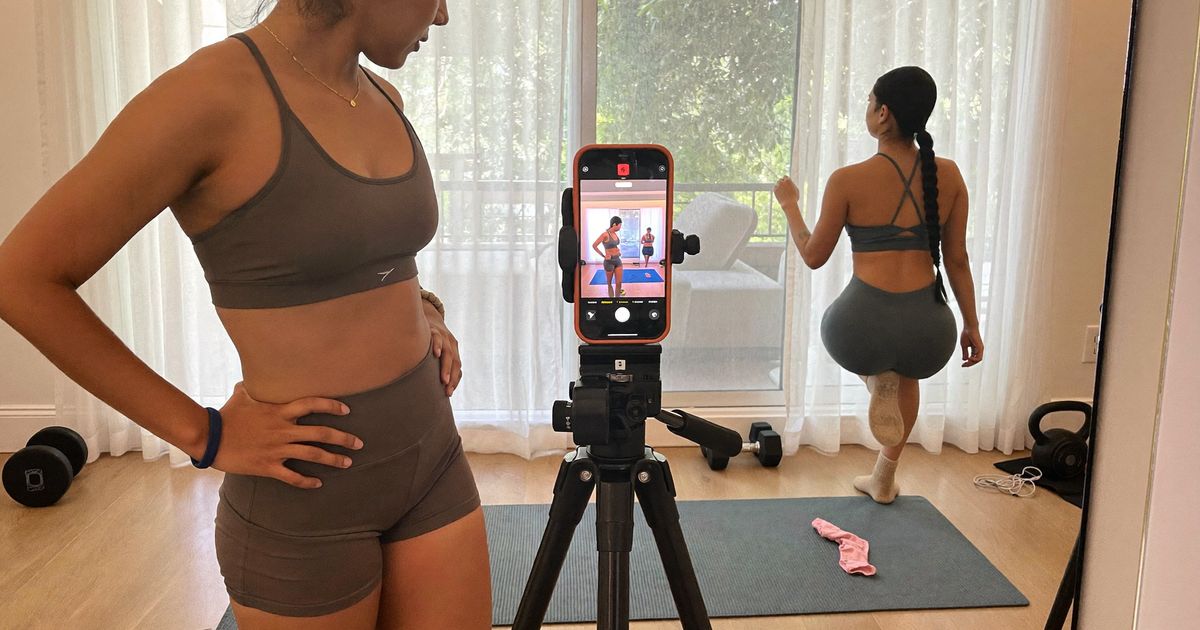
Health and wellness is one of the fastest-growing D2C categories in India, and it is also one of the most complicated to market with UGC. The category spans everything from protein supplements and Ayurvedic formulations to fitness equipment and mental wellness apps—each with different regulatory considerations, different audience trust triggers, and different sensitivities around body, health, and outcome claims. Getting UGC right in this category requires more careful planning than most other verticals, but the payoff—authentic peer validation in a category driven by trust—is substantial.
Navigating Health Claims in Creator Briefs
The FSSAI and CDSCO have specific guidelines around health and nutrition claims for supplements and wellness products. Creators who make unapproved efficacy claims—'this cured my knee pain' or 'I lost 8 kilos in two weeks with this'—are producing content that exposes your brand to regulatory risk. Your brief should be explicit about what language is permitted and what is not. Approved claim language typically covers experiences ('I noticed more energy during my workouts') rather than therapeutic outcomes ('this treated my vitamin D deficiency').
Build a brief review step into your UGC production process specifically for health brands. Before a single frame is filmed, the claim language in the brief should be validated against your regulatory requirements.
Body and Health Diversity in Creator Selection
Health and wellness UGC in India has historically featured a narrow range of body types and health journeys—predominantly lean, athletic creators demonstrating fitness products. This is both an ethical and commercial limitation. Indian health consumers are diverse, and a large proportion of the market for wellness products is people who do not identify with the conventional fitness influencer aesthetic. Brands that build creator rosters with genuine body type and health journey diversity reach audiences that competitors with narrower rosters cannot.
This means briefing creators who are at different stages of their health journeys, not just those who represent an aspirational outcome. A creator who has been managing chronic fatigue and shows how a supplement fits into their real routine is more credible to a large audience segment than a peak-condition athlete who has no apparent wellness challenge to solve.
Scaling Without Losing Authenticity
The core risk in scaling health UGC is drift from authenticity. When you move from three creators to thirty, brief quality tends to decline, creator selection becomes less rigorous, and content becomes more scripted and less genuine. Protect authenticity at scale by investing in your brief quality rather than your brief volume. A highly specific brief—anchored to a real situation, a real problem, and a specific product moment—produces authentic content even from creators who are new to your programme.
Platform-Specific Considerations for Health UGC
Meta and Google have additional restrictions around health and wellness advertising beyond FSSAI requirements. Ads that reference specific medical conditions, weight loss, or before-and-after body comparisons face policy restrictions on both platforms. Brief your creators to avoid these trigger elements and audit final content before running it as paid. This is not just a compliance consideration—it is an operational one. A great UGC video that gets rejected by Meta's ad review system represents wasted production investment.
Takeaway
Scaling UGC for health brands in India requires a disciplined approach to claim compliance, genuine diversity in creator selection, and brief quality maintained at scale. The brands that get this right build trust with audiences that conventional health advertising has historically excluded. If you want help building a health UGC programme that is both effective and compliant, book a strategy call and we will design a framework specific to your product category.