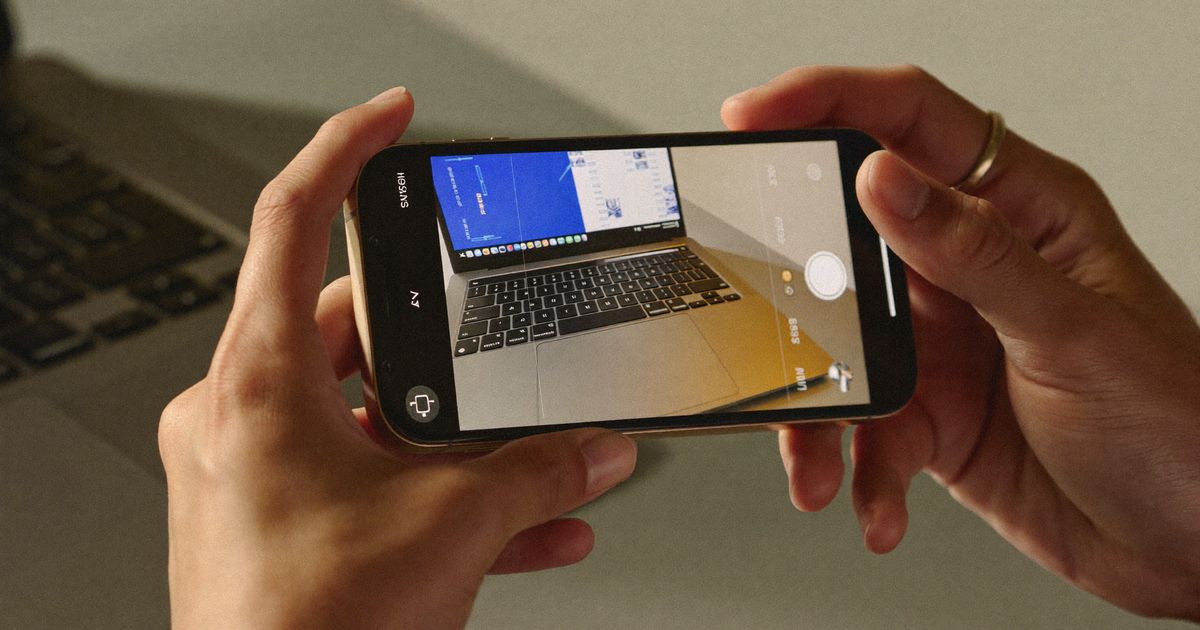
Mobile app marketing has a content problem that most teams underestimate. The primary decision point for a potential user—the App Store or Play Store listing—shows screenshots, a short preview video, and aggregate ratings. What it cannot show is the actual experience of using the app day-to-day: whether it is fast, whether it is intuitive, whether it delivers on the promise of the listing description. This gap between what the listing shows and what a new user discovers is the leading cause of high early uninstall rates. UGC from real users showing real in-app experiences bridges that gap—and the brands integrating this content into their full marketing workflow are seeing meaningful improvements in both conversion to download and post-install retention.
Why UGC Works Differently for Apps Than for Physical Products
For a physical product, UGC shows how something looks, feels, and performs in a real setting. For a mobile app, UGC shows something harder to communicate: what using the app is actually like. A real user recording their screen while navigating a fintech app and explaining what they find useful—or a fitness app user walking through their daily workflow—provides prospective users with a mental rehearsal of the experience. This reduces the uncertainty gap that causes many otherwise-interested users to hesitate before downloading. The more complex the app (fintech, productivity, health), the more valuable this experience-preview function becomes.
The Four Places App UGC Belongs in Your Workflow
- Paid social ads (Meta, YouTube): Screen-recorded UGC with creator voiceover is one of the highest-performing formats for app download campaigns. A real person showing how they use the app—with candid commentary on what makes it useful—drives higher CTR and lower cost per install than polished app demo videos in most categories.
- App Store and Play Store listing: The preview video slot in app store listings can accommodate a UGC-style walkthrough from a real user. This differs meaningfully from a professionally produced app demo and can improve conversion from app store browse to download.
- Retargeting campaigns: For users who have installed but not activated, UGC showing specific features they may not have discovered drives re-engagement more effectively than push notifications alone.
- Onboarding email sequences: Embedding a real user walkthrough of a key feature in a Day-3 onboarding email reduces the friction that causes early uninstalls by showing new users how to get value from the app faster.
Briefing App UGC Creators Effectively
App UGC briefs have a specific requirement: screen recording permission and skill. Most smartphone users can screen-record their device, but the resulting footage needs to be usable—no notification interruptions, no low battery warnings appearing on screen, no lag from background apps consuming memory. Brief creators to clear their notification settings before recording, ensure sufficient storage, and run the app for a few minutes before recording to ensure it is performing at full speed. These practical preparation steps prevent the most common app UGC footage problems.
The content of the brief should focus on a specific use case, not a comprehensive feature tour. A 60-second video of a real person using one specific feature well converts better than a 3-minute feature walkthrough. Match the use case to the audience segment being targeted: a first-time user discovery journey for top-of-funnel, a power-user workflow for mid-funnel consideration content.
Connecting UGC to ASO Performance
App Store Optimisation (ASO) teams often overlook UGC as an input. But there is a direct connection: the specific language that real users use to describe what they value about an app is often different from the language the marketing team uses in the listing copy. Mining UGC transcripts and review text for the words and phrases real users use to describe the app’s benefits can inform keyword selection and listing description copy in ways that improve search ranking for high-intent queries. This is a practical workflow integration that connects UGC production to ASO outcomes without any additional content production cost.
Measuring UGC Impact for App Marketing
Track these metrics to measure UGC impact specifically for app campaigns: cost per install from UGC ad sets versus non-UGC ad sets, Day-1 and Day-7 retention rates for users acquired through UGC campaigns versus other channels, and in-app activation rates (first meaningful action completion) comparing UGC-acquired users to the baseline. Improvements in Day-7 retention are the most commercially significant indicator—they signal that UGC is attracting users with accurate expectations, not simply driving installs that quickly uninstall.
Takeaway
Integrating UGC into a mobile app marketing workflow is straightforward once you know where it belongs: in paid social ads, in app store listings, in retargeting campaigns, and in onboarding sequences. The content type—real users showing real usage—addresses the primary barrier to app adoption, which is uncertainty about what the experience will actually be like. Brands that build systematic app UGC programmes see improvements in both install conversion and post-install retention.
Want to build a UGC programme for your mobile app? Book a strategy call and let’s design a content approach that works across your acquisition and retention workflows.