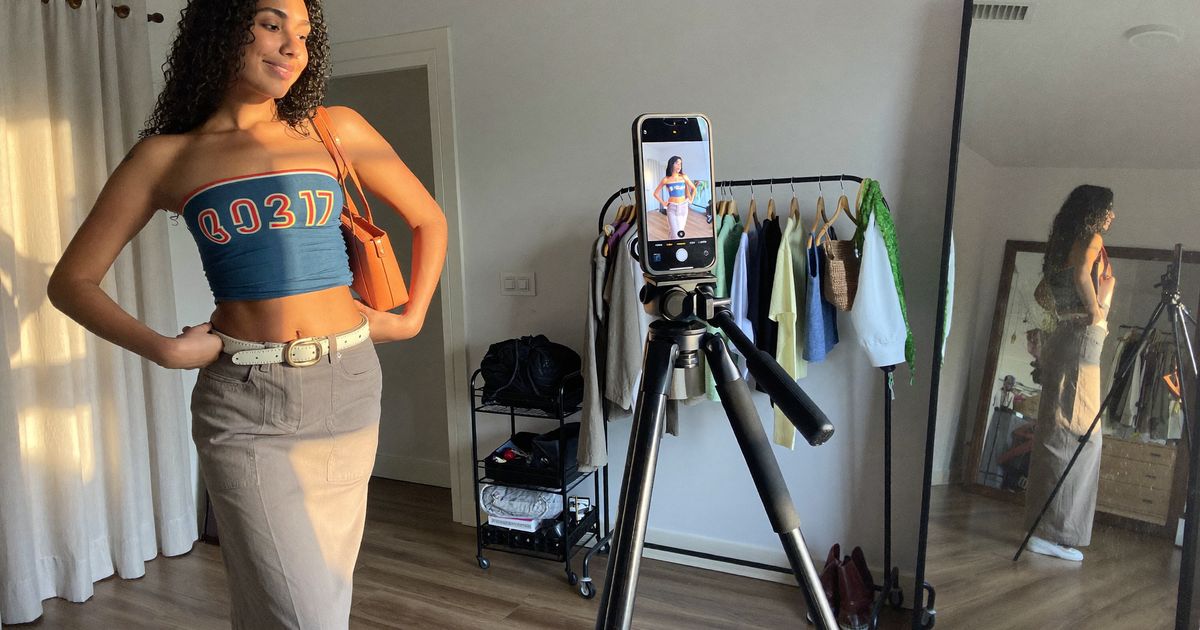
Fashion is one of the most visually saturated categories on Indian social media. Creators in the fashion and lifestyle space produce enormous volumes of try-on content, outfit-of-the-day posts, and styling videos—the organic supply of fashion UGC is almost limitless. The measurement challenge for fashion brands is not generating UGC; it is distinguishing between UGC that earns engagement and UGC that drives purchases. These are not the same thing, and brands that optimise for the former while expecting the latter consistently underperform.
Why Fashion UGC Metrics Are Different
Fashion UGC operates in a category where purchase intent and engagement signals are weakly correlated. A try-on video can earn enormous views and comments from people who enjoy the visual content but have no intention of purchasing the specific item. Conversely, a detailed fit review with honest sizing observations—less visually spectacular—may earn fewer views but drive significantly higher conversion rates because it answers the questions that actually gate purchase decisions.
Your measurement framework needs to distinguish between vanity metrics (views, likes, follower growth) and commercial metrics (website visits, product page views, add-to-cart actions, and purchases). Build UTM tracking into every creator partnership so you can attribute traffic and conversions to specific content rather than inferring correlation from aggregate brand metrics.
The Fashion UGC Metrics That Actually Predict Revenue
In fashion specifically, the metrics with the strongest correlation to revenue tend to be: save rate (users who save a post to return to are expressing purchase consideration), click-through rate on shoppable elements, and direct-to-product-page traffic. Saves are particularly valuable because they indicate deferred purchase intent—a customer who saved an outfit is likely returning to it when they are ready to buy, not just during passive scroll time.
For paid UGC in fashion, the diagnostic metrics shift slightly: hook rate determines whether the visual opening earned attention, swipe-up or link-click rate determines whether the content created desire, and cost per purchase determines whether that desire converted. Track all three in sequence to diagnose where in the funnel your fashion UGC is breaking down.
A/B Testing in Fashion: What to Vary
Fashion UGC offers rich testing variables. The most productive A/B tests in this category are: creator body type and styling aesthetic (which body type generates the highest conversion for your specific size range), product context (styled outfit versus standalone product versus brand-agnostic styling advice featuring your piece), and content format (try-on haul versus single-outfit focus versus styling tutorial). Each of these tests generates learnings that compound over time into a refined creative strategy.
One frequently overlooked testing variable in Indian fashion is size range representation. Brands that test creator content across size XS to 3XL consistently find that mid-to-plus-size creator content dramatically underperforms on views relative to mainstream-size content but significantly outperforms on conversion rates—these audiences are underserved by fashion content and convert at higher rates when they see relevant representation.
Seasonal Attribution and Inventory Alignment
Fashion UGC performance is strongly seasonal and must be measured against inventory availability. A creator video driving traffic to a product that is out of stock produces vanity attribution—you see the click, but the conversion never happens. Ensure your UGC measurement framework flags conversion rate drops and checks inventory status before concluding that a creator's content underperformed. The commercial failure may be a supply chain issue, not a creative one.
Takeaway
Measuring fashion UGC well requires separating engagement metrics from commercial metrics, building proper attribution tracking, testing creative variables systematically, and aligning measurement with inventory availability. Brands that build this measurement infrastructure extract far more value from their UGC investments than those running on views and likes alone. If you want help building a UGC measurement framework for your fashion brand, book a strategy call and we will design it around your existing analytics setup.