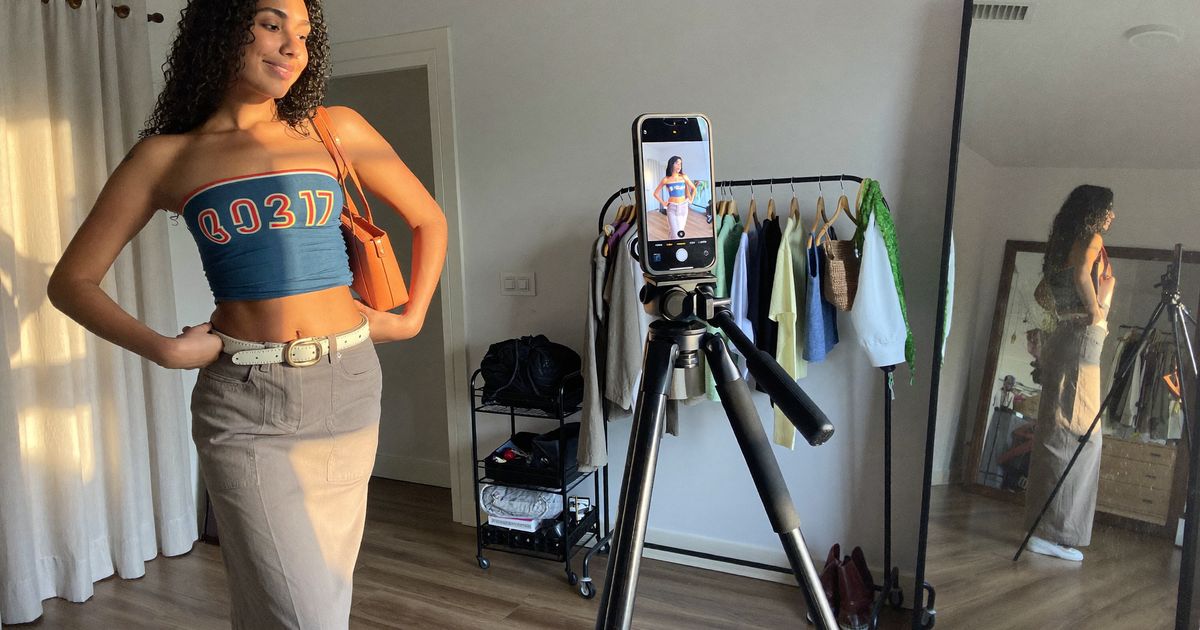
Fashion brands that decide to add a UGC agency to their marketing mix often face the same practical question: where does this fit? They already have a creative agency handling campaign imagery, a social media team managing organic content, and a media buying team running paid social. Adding a UGC agency creates a new creative input that needs to connect with all three of these existing functions without creating conflicts or duplication. Done well, the integration multiplies the performance of what you already have. Done poorly, it creates inconsistency and internal confusion about what content to use where.
Clarify the Role Before the Engagement Starts
The most important step in integrating a UGC agency into a fashion brand's marketing stack is defining what it will and will not do before the first brief is written. Typical role definitions for fashion UGC agencies include:
- Primary creative for paid social prospecting and retargeting
- Social proof content for product pages and landing pages
- Supplementary content for email marketing and SMS flows
- Content for organic social A/B tests where brand aesthetic content and UGC-style content are tested against each other
Roles typically excluded from UGC scope include editorial campaign imagery, brand campaign hero content, and founder or CEO-led brand storytelling. These boundaries prevent the UGC agency from overstepping into territory where the brand's creative agency has expertise and established relationships.
Connect the UGC Brief to the Brand Book
Fashion brands with established brand identities need to ensure that UGC content is consistent with brand guidelines without becoming so constrained by them that the authentic quality of the content is lost. The key documents to share with a UGC agency at the start of an engagement are: brand tone of voice guidelines, do-not-use imagery standards (specific colour combinations, styling approaches, or settings that are off-brand), and any specific claim restrictions (for example, fabric content claims that must be pre-approved by legal). These constraints should be baked into every brief rather than reviewed as an afterthought.
Integrate the Media Buying Team Early
UGC content commissioned without input from the media buying team often misses the mark on format, duration, and hook requirements. The media buyer knows which placements are delivering the best results, which audience segments are most valuable, and what the current creative is failing to achieve. Their input at the brief stage — not after content is delivered — ensures the UGC agency is solving a real problem in the media plan rather than producing content that looks good but fills no strategic gap.
Establish a Clear Approval Workflow
Fashion brands typically have multiple stakeholders with opinions about creative content: the creative director, the brand manager, the social media team, and sometimes the founders. Without a clear approval workflow, UGC content can get stuck in review loops that delay deployment and frustrate the agency's production timeline. Before the first batch is delivered, agree on who has final approval authority, how long each review stage should take, and what feedback format the agency needs to make revisions efficiently.
Use Data to Define What UGC Owns vs. What Brand Creative Owns
After the first 60 to 90 days of running UGC alongside existing fashion creative in paid social, the performance data will give you a clear picture of where each format is stronger. UGC typically dominates on cold audience click-through rate and cost per purchase. Brand editorial typically holds its own on brand recall and premium positioning metrics. Use that data to make deliberate decisions about allocation — not assumptions about which format is 'better' in the abstract.
Takeaway
Integrating a UGC agency into a fashion brand's marketing stack is a coordination challenge as much as a creative one. Getting the role definition right, connecting the brief to brand guidelines, involving the media buying team early, and establishing a clear approval workflow are the four operational steps that make the integration work. When those are in place, the creative output compounds what your existing stack already does rather than conflicting with it.
If you are ready to add UGC to your fashion brand's marketing stack and want help designing the integration, book a strategy call and we will walk you through how we onboard fashion clients.