Snapchat has roughly 200 million monthly active users in India, more than any other country in the world, yet most Indian brands still treat it as an afterthought, funnelling the same Reels-cut videos into a platform whose users are fundamentally different in how they scroll, share, and buy. That mismatch is expensive, and it gets more expensive every quarter as Snapchat tightens its algorithmic grip on attention.
The platform is genuinely changing how UGC gets produced and distributed in India. But the change is being squandered by brands making the same handful of mistakes. Here is what most of them are getting wrong, and what to do instead.
Mistake 1: Treating Snapchat Like a Repurposing Bin
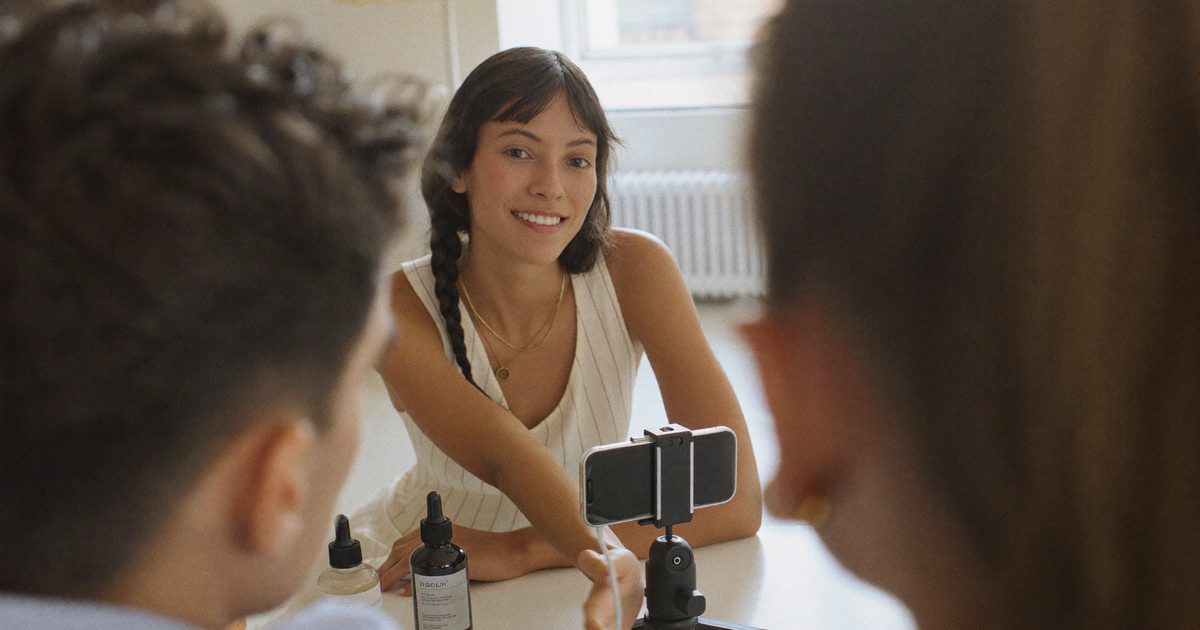
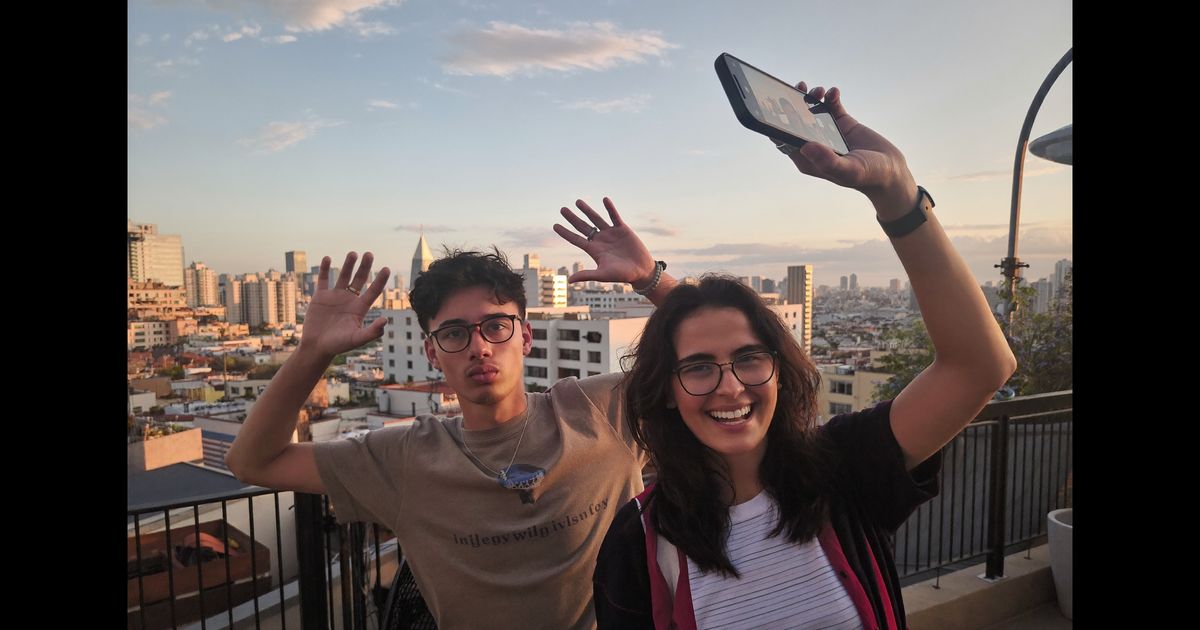
The single most common error we see is brands taking a 15-second Reel, adding a black strip at the top and bottom to fit the 9:16 frame, and calling it a Snapchat ad. The visual difference is obvious to every Snapchat user even before the content plays. Snapchat's native UGC aesthetic is hyper-casual: front-facing camera, raw lighting, text overlays in the app's own fonts, and zero production polish. The moment a creator delivers a suspiciously well-lit, colour-graded clip, Snapchat users swipe past it.
What actually works on Snapchat India is content that looks like it was shot in a moving auto-rickshaw, inside a PG room, or in front of a noisy college canteen. We brief creators to leave in the ambient audio, the pressure cooker in the background, the street hawker outside, because that is the texture Snapchat users trust. A D2C skincare brand that asked us to do a "proper" studio UGC for Snapchat saw a 0.8% swipe-up rate. The raw, "got this yesterday, see what happened" version of the same product clocked 3.4% on the same budget in the same week.
Mistake 2: Ignoring Vernacular Beyond Hindi
Snapchat's India user base skews heavily toward Tier 2 and Tier cities across India, Patna, Surat, Jaipur, Bhopal, Ludhiana, Vizag. A significant share of these users are more comfortable in Bhojpuri, Rajasthani, Haryanvi, or Gujarati than in standard Hindi, let alone English. Most brands either produce English content or use a generic "Hinglish" that sounds alien to these users.
The fix is not complicated but requires deliberate casting. If your product ships to Maharashtra, Telangana, and Punjab, you need three distinct UGC variants, not one Hindi video with regional thumbnails. The production cost of a single 30-second Snapchat UGC clip from a regional creator typically runs between Rs. 4,000 and Rs. 9,000 depending on the creator tier. At that price, running four language versions across a Rs. 60,000 content budget is entirely achievable and routinely doubles reach efficiency compared to a single panned-national Hindi cut.
Mistake 3: Misreading ASCI Rules on Disclosure
This is where brands get themselves into genuine legal and reputational trouble. The Advertising Standards Council of India (ASCI) updated its influencer guidelines in 2021 and revised them again in 2023 to require that any content where a creator receives money, free product, or any other benefit must carry a clear disclosure, including paid UGC posted as organic-looking Stories or Snaps.
On Snapchat specifically, many brands instruct creators to avoid using "#Ad" because it "looks unnatural on the platform." This logic fails both ethically and strategically. ASCI enforcement actions have named brands, not just creators, in recent years. The disclosure text must be in the same language as the content, placed prominently at the start of the Snap, and not buried under stickers or obscured by filters. On Snapchat Spotlight (the public, algorithmically distributed feed), this obligation is even stricter because content can be seen by users who have no prior relationship with the creator or brand.
ASCI's rule is plain: a label like "Paid Partnership" or "Ad" placed visibly at the opening frame is the minimum standard, regardless of how casual the content looks. Non-disclosure is not a grey area.
We flag this explicitly in every creator brief we issue. A five-second disclosure frame costs nothing to add in post; an ASCI notice costs significantly more to handle.
Mistake 4: Misusing Snapchat Spotlight for Brand Content
Snapchat Spotlight, launched in India in 2021, is a public discovery feed similar in concept to TikTok's For You page. Brands see "discovery" and assume they should push branded content into Spotlight aggressively. The algorithm disagrees.
Spotlight's ranking system prioritises content with high completion rates and shares among Snapchat friends, social proof mechanisms that are essentially impossible for brand accounts to fake. UGC from authentic Indian creators, even micro-creators with 2,000 to 15,000 followers, consistently outperforms brand-page posts in Spotlight because it has real friend networks amplifying it.
The correct strategy is to brief creators to post to Spotlight under their own accounts and tag the brand, rather than having the brand post the same UGC from its own handle. A Pune-based edtech brand we work with was posting Spotlight content from its official account and getting under 500 views per clip. After shifting to a creator-led model where three student creators in Nagpur, Indore, and Lucknow posted under their own accounts with product mentions, the same creative approach averaged 11,000–18,000 views per clip without paid amplification.
Mistake 5: Overlooking Snap Map and Hyperlocal UGC Opportunities
Snap Map is one of the most underutilised tools available to Indian brands running location-sensitive campaigns. Retail chains, QSR outlets, and physical experience brands have a genuine hyperlocal UGC opportunity here that simply does not exist on Reels or YouTube Shorts in the same way.
When creators post public Snaps tagged at a specific location, a store opening in Bengaluru's Indiranagar, a food brand's pop-up at a Hyderabad mall, a fitness studio in Mumbai's Andheri, those Snaps appear on Snap Map for nearby users. This is organic, proximity-triggered discovery with zero media spend. The mistake most brands make is either not briefing creators to enable location on their Snaps, or not coordinating creator visits during high-footfall windows (weekends, evenings, festival periods) when Snap Map browsing peaks.
- Brief creators explicitly to post with location enabled and ensure the tagged location matches the venue (not the creator's home locality).
- Cluster multiple creators at the same venue on the same day, five Snaps from the same location in a short window signals activity to the Snap Map algorithm and increases visibility to nearby users browsing the heatmap.
- Use the timing window: Snapchat skews toward evenings and weekends for Indian users. Creator briefings should specify a 6–9 PM posting window for location-tagged content.
Mistake 6: Ignoring the 18–24 Segment's Buying Journey on Snapchat
Brands often assume Snapchat users do not convert, that the platform is awareness-only. This is increasingly wrong for the 18–24 demographic that dominates India's Snapchat user base. Snapchat has expanded its Catalog-linked Dynamic Ads, and more importantly, its creator-affiliate capability means UGC clips can carry direct swipe-to-purchase links.
The mistake is not using Snapchat for conversion, it is using Snapchat conversion formats without adapting the UGC creative to the platform's trust cues. On Instagram, a clean product shot with a link button converts reasonably well. On Snapchat, the same format is ignored. What converts on Snapchat is creator content that includes a specific, low-friction call to action delivered in the same casual register as the rest of the Snap, "link's in my bio, got it for Rs. 799", not a branded overlay that looks like it was designed in a desktop tool.
Price transparency matters more on Snapchat than on almost any other platform. Indian Snapchat users in the 18–24 tier are highly price-sensitive and respond well when creators mention the actual amount paid, a discount code, or a comparison with alternatives. Vague aspirational language ("upgrade your routine") consistently underperforms specific, price-anchored language ("under Rs. 500, free shipping, no joke") in our production data for this demographic on this platform.
What to Actually Do
- Produce Snapchat-native content separately from your Reels/Shorts pipeline. Budget for at least one platform-specific creative cut rather than repurposing.
- Cast regional creators matched to your target geographies, not just Hindi-speaking creators based in Delhi or Mumbai.
- Put ASCI disclosures on every brief and make disclosure a non-negotiable deliverable check before content goes live.
- Let creators post Spotlight content from their own accounts, not from your brand handle.
- Brief location tagging for any physical retail or experiential activation and cluster creator posting times.
- Use price-specific language in conversion-focused UGC, and match the casual register of the platform.
Snapchat is not a difficult platform, it is an unforgiving one. It rewards content that is genuinely made for its context and punishes content that was clearly made for somewhere else. If you want to build a proper Snapchat UGC strategy from the ground up, right briefs, right creators, right formats, we can help. Book a free consultation and we will walk through what a production-ready Snapchat UGC brief looks like for your category.