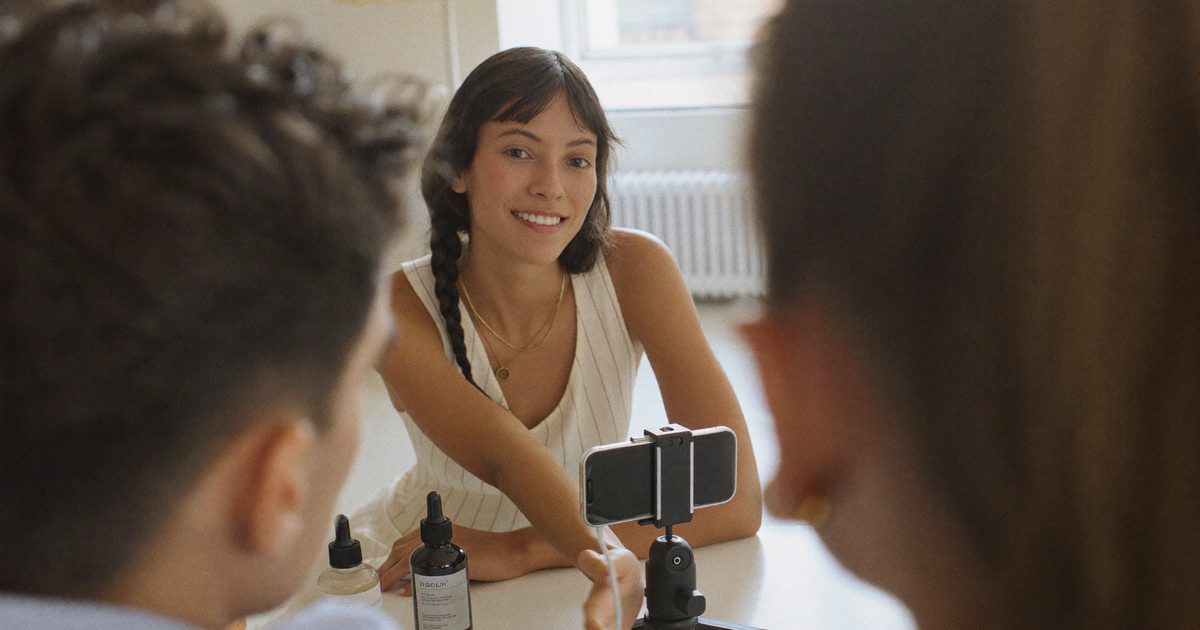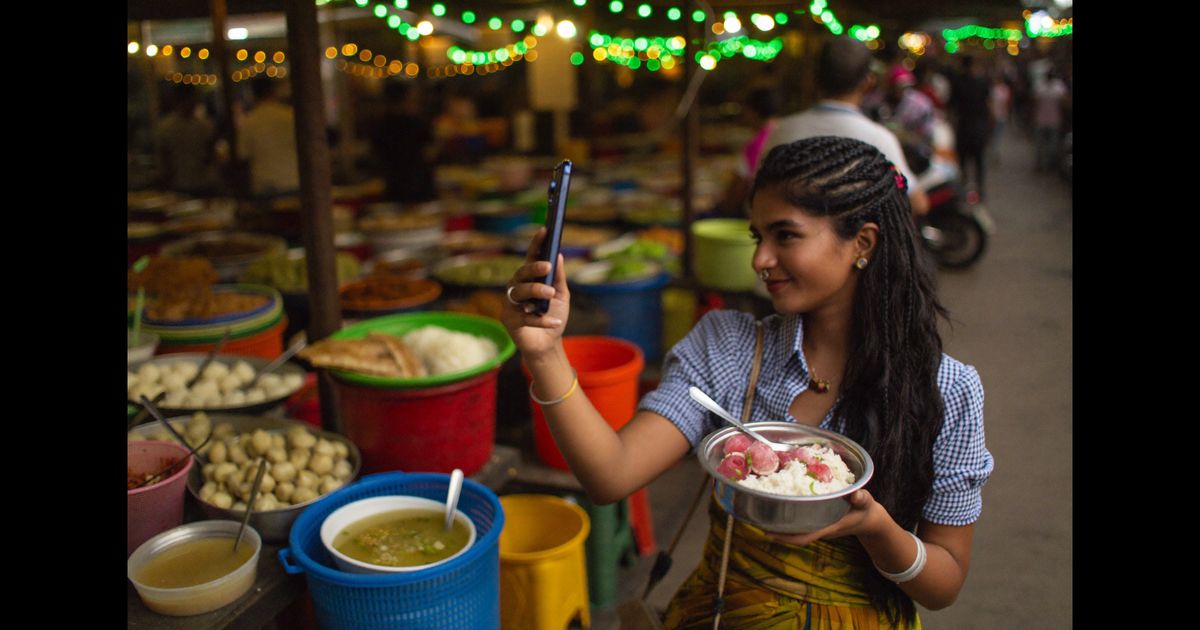
A couple in Udaipur posts a reel of their anniversary stay at a heritage haveli, soft morning light through carved jharokha windows, a thali breakfast on a courtyard terrace, the unmistakable sound of shehnai drifting in. Within 48 hours, the property's DMs are flooded with booking enquiries. That single piece of guest-created content did what three months of polished brand photography could not: it made strangers feel like they were already there.
Hospitality is one of the few sectors where UGC has always existed, reviews on MakeMyTrip, photos on Google Maps, word-of-mouth recommendations in WhatsApp family groups. What has changed is that hotels, resorts, homestays, and travel operators can now engineer that organic buzz instead of just waiting for it. This guide walks through exactly how to do that, step by step, for the Indian market.
Step 1: Define What "Good UGC" Looks Like for Your Property
Before briefing a single creator or printing a QR code, spend time listing the specific moments your property offers that translate well on camera. This sounds obvious, but most hospitality brands skip it and end up with generic corridor selfies instead of content that sells.
- Signature visual moments: Is it the infinity pool at golden hour? A chai service in a mountain-view balcony? A live ghee-pouring ritual at your restaurant? List three to five scenes that are uniquely yours.
- Language layering: If your property pulls guests from multiple regions, a Goa resort attracting visitors from Delhi, Mumbai, and Bengaluru, brief creators in Hindi, English, and even Kannada or Marathi short captions. Vernacular UGC consistently outperforms English-only content when retargeted to regional audiences on Meta.
- Format fit: Instagram Reels under 30 seconds work for aspirational resort content. YouTube Shorts work for budget homestays and backpacker properties where viewers want to assess value. Google Maps photo-and-video drops are underused by hospitality brands yet directly influence booking intent searches like "best rooftop hotel in Jaipur."
Write this down as a one-page content brief. You will use it in every step that follows.
Step 2: Build Your In-Stay UGC Capture System
The highest-trust UGC comes from real guests, not paid influencers. The trick is making it frictionless for guests to create and share while they are actually on property.
- QR-code moments: Place a small tent card or engraved plaque at your most photogenic spots, the check-in desk, the pool terrace, the heritage doorway, with a QR code linking to a WhatsApp number or Google Form where guests can submit their content. Offer a Rs. 500 F&B voucher or a complimentary late checkout as a thank-you.
- Hashtag architecture: Create a property-specific hashtag (e.g., #StayAtHaveliMahal) and pair it with a discoverable city-property tag (e.g., #UdaipurHeritagestay). The first builds your owned library; the second gets you found in organic search on Instagram.
- Staff as enablers: Train your front desk and concierge team to mention the hashtag and content incentive at check-in, not as a hard ask, but as a genuine tip: "Many guests love photographing the sunrise from the terrace around 6:30 AM. If you share it, tag us and we'll send you a little thank-you." This human nudge outperforms any poster.
- Review prompts at the right moment: A WhatsApp message sent two hours after checkout (when the experience is fresh but the guest is no longer busy packing) asking for a Google or MakeMyTrip review converts far better than a post-stay email. Keep the message warm, brief, and link directly to your listing review page.
Step 3: Layer in Paid UGC Creator Production
Organic guest content is unpredictable in quality. For campaigns, a new property launch, a seasonal package push, a wedding season drive, you need professionally produced UGC: content that looks and sounds like a real guest but is created by vetted, camera-trained creators.
In our production work for hospitality clients, a typical property-level UGC shoot runs between Rs. 80,000 and Rs. 1,50,000 for a single day, yielding 8–12 deliverables across formats (vertical Reels, landscape YouTube Shorts, still carousel slides). That is a fraction of what a traditional hotel photography-and-videography package costs, with one key difference: the content is built for paid social performance, not a brochure.
- Creator selection: For aspirational leisure properties (boutique resorts, heritage hotels), cast creators aged 24–34 who already post lifestyle and travel content to an audience of 15,000–1,00,000 followers. Mega influencers rarely work for hospitality unless you are a flagship brand, their audience trusts them for entertainment, not travel decisions. Nano and micro creators drive actual booking enquiries.
- The stay brief: Give the creator a two-night stay with a shot list, not a script. Scripted hotel videos feel like ads. The shot list should specify: check-in moment, one F&B scene, one signature amenity (pool/spa/view), one local context shot (the neighbourhood, a market visit nearby). Let the creator's natural reaction fill the rest.
- ASCI compliance: Under the Advertising Standards Council of India's influencer guidelines (updated 2023), any creator who received a complimentary stay or payment must disclose it clearly, "#Ad", "#Sponsored", or "#CollabWithPropertyName" in the first line of the caption, not buried in hashtags. We brief all creators on this before a shoot. Non-disclosure exposes the brand, not just the creator, to ASCI enforcement action.
Step 4: Repurpose UGC Across Your Full Marketing Stack
Most hospitality brands use UGC once, they repost a guest's reel, get some engagement, and move on. The properties that extract maximum value treat each piece of UGC as a raw asset to be deployed across multiple channels.
- Meta paid amplification: Take your three best-performing organic UGC posts and run them as whitelisted ads from the creator's handle (not your brand page). Creator-handle ads in hospitality routinely achieve 30–40% lower CPMs than brand-page ads for the same audience because the platform algorithm treats them as native content, not interruption advertising.
- Website social proof: Embed a UGC gallery on your property website's homepage or room-type pages using tools like EmbedSocial or Taggbox (both offer INR-priced plans starting around Rs. 2,500/month). Visitors who see real guest photos spend longer on site and show lower bounce rates on booking-intent pages.
- Google Business Profile: Upload UGC stills (with creator permission) directly to your Google Business listing. Properties with recent, high-quality visual content on GBP rank better in "near me" and city-based hotel searches, an underused SEO lever for independent hospitality brands.
- OTA listing refresh: MakeMyTrip, Goibibo, and EaseMyTrip all allow property managers to upload photos to listings. Rotating in UGC-style shots (slightly candid, naturally lit, showing real guests enjoying spaces) alongside your professional photos improves click-through rates on OTA search results pages.
- Seasonal campaign recuts: A creator's monsoon-stay reel can be trimmed to 8 seconds and used as a Meta Story ad for a "Monsoon Escape" package. The same footage re-colour-graded warm becomes your winter campaign cut. One shoot, three campaign uses.
Step 5: Measure What Actually Moves Bookings
Vanity metrics, views, likes, follower growth, are satisfying but not the goal. For hospitality UGC, the metrics that matter are further down the funnel.
- UTM-tagged links: Every UGC piece used in paid or organic promotion should carry a UTM parameter pointing to your direct booking page or a campaign landing page. This is how you attribute revenue to specific creators and content types.
- Booking enquiry source: Ask at enquiry intake, phone, WhatsApp, or DM, "How did you hear about us?" It is low-tech but surprisingly reliable for smaller properties that cannot afford full attribution stacks. Over a quarter, you will notice patterns: "saw a reel" or "friend sent me a video" will start showing up consistently if your UGC program is working.
- Review velocity: Track your monthly review count on Google and MakeMyTrip separately from star rating. A property actively running UGC prompts should see review velocity increase by 2–3x within 60 days of implementing the post-checkout WhatsApp nudge.
- Content cost per booking: Divide your monthly UGC production and amplification spend by the number of direct bookings attributable to those campaigns. For a property charging Rs. 8,000–15,000 per room night, a content cost per booking below Rs. 1,500 is excellent; below Rs. 800 is exceptional.
Step 6: Build Long-Term Creator Relationships, Not One-Off Transactions
The hospitality brands getting consistent UGC traction in India, whether it is a boutique homestay in Coorg or a business hotel chain in Hyderabad, share one trait: they treat creators as partners across multiple seasons, not vendors for a single campaign.
A Goa resort we work with invites the same four creators back across three seasons, summer, Diwali, and New Year's. By the third campaign, those creators' audiences have started to treat the property as their recommendation, not a sponsored post. That earned familiarity converts at a fundamentally different rate than a one-time collab.
Practically, this means offering returning creators slightly upgraded stays, first access to new property features or packages, and genuine credit in your brand communications. It also means giving them creative latitude over time, once you know a creator's style and audience, rigid shot lists become unnecessary.
For properties running annual wedding or MICE packages, build a separate creator track for that segment: creators who post content relevant to couples, wedding planners, or corporate travel managers. Their audiences are far smaller than lifestyle travel creators but convert at significantly higher values per booking.
If you want help building a UGC production system for your hospitality brand, from creator casting and content briefs to paid amplification and ASCI-compliant disclosure protocols, see how we structure our client production work or book a consultation to discuss your property's specific context.