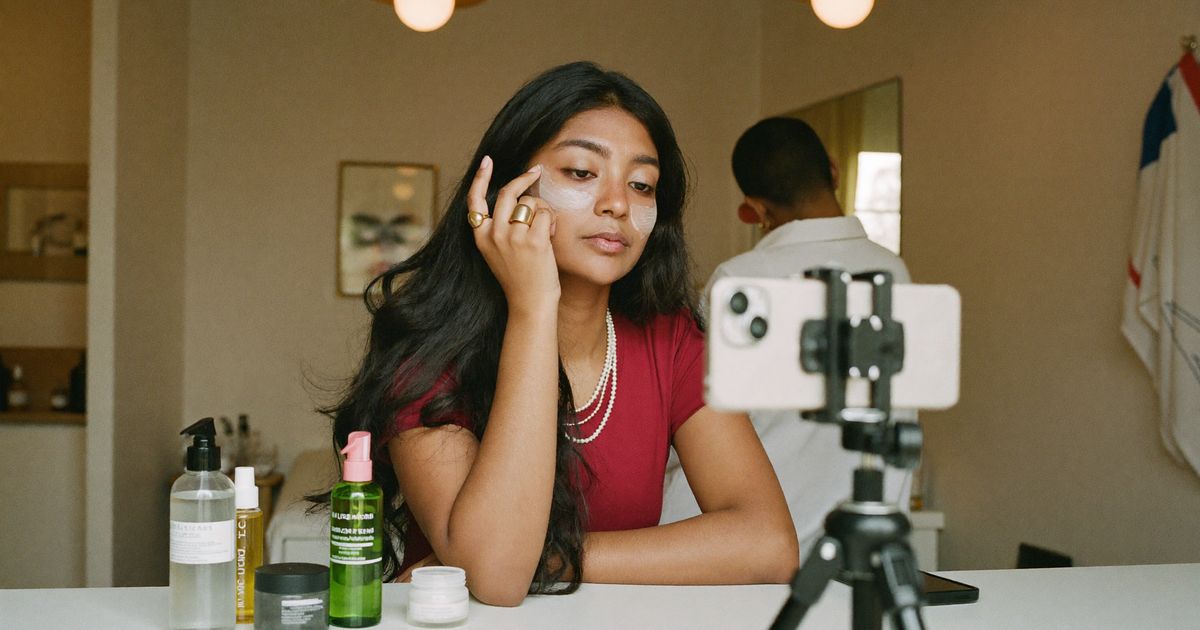
Skincare is one of the most naturally suited categories for UGC in the Indian market. The questions buyers have before purchasing — does this work for oily or combination skin?, how long before I see a difference?, does it cause breakouts for sensitive skin? — are questions that only a real user with real experience can answer convincingly. A brand making these claims about its own product encounters automatic skepticism. A real person talking about their eight-week experience with a serum does not. Here is how to build that programme from scratch.
Step 1: Define Your Skin Type and Skin Concern Segments
Before briefing any creator, identify the one or two skin concerns your product most effectively addresses for its primary buyer segments. A face wash marketed broadly is less compelling than one that specifically addresses the acne-prone skin of a 23-year-old in a humid city. Your UGC brief should be built around these specific segments, which means selecting creators who genuinely belong to those segments — not just creators who look the part.
Step 2: Find and Vet Your First Batch of Creators
For skincare UGC, the three criteria for creator selection are skin authenticity (their skin type must match the target segment), camera comfort (they need to be able to discuss skincare naturally and specifically, not just read from a script), and genuine product experience (creators who have actually used the product or a comparable product in the category will speak more credibly than those who have not). Start with a small batch of four to six creators rather than trying to scale immediately — your first batch will teach you what the brief needs to specify more clearly.
Step 3: Write a Brief That Prioritises Specificity
Skincare UGC briefs should ask for specific details:
- Which skin concern does the creator have, and how did the product address it?
- What was their skin routine before, and how did they incorporate this product?
- What did they notice in the first week versus the third or fourth week?
- What would they tell someone with the same skin type who is considering the product?
Generic positivity ('I loved this product!') performs far worse in skincare UGC than specific experience ('By week three, the dark spots from my last breakout were noticeably lighter'). Compliance note: ensure claims stay within what is verifiable and avoid superlatives about clinical results.
Step 4: Plan the Shoot for Multiple Formats
For each creator, plan to capture content in multiple formats from a single session or product experience period:
- A 60-90 second experience review for paid social prospecting
- A 30-second highlight cut with a strong hook for Facebook and Instagram feed ads
- Close-up skin footage (with creator consent) for product page use
- A written testimonial or quote for email and landing page social proof
Maximising the formats from a single creator engagement multiplies the value of the production investment.
Step 5: Run Your First Test and Measure Specifically
Launch UGC content alongside your existing paid social creative for four weeks. Track thumb-stop rate, video completion rate, cost per link click, and cost per purchase or cost per lead, broken down by creative. After four weeks, the directional result will be clear enough to guide the brief for the next batch. Do not wait for statistical perfection before drawing conclusions — directional data after four weeks is enough to make a confident next step.
What to Do When It Works
When a specific creator, hook, or concern angle performs well, the immediate next step is to brief more content in the same register — not to scale spend on the winning asset indefinitely. The creative will fatigue. The learning from what worked is what should scale, through new creatives that explore the same theme with different creators or different specifics.
Takeaway
Getting started with skincare UGC does not require a large production budget or a large creator network. It requires a clear brief, authentic creators who match your target skin type, and a willingness to measure the output and iterate. The brands that do this consistently are the ones that see their paid social costs come down and their conversion rates improve quarter over quarter.
If you are ready to launch your first skincare UGC programme, book a strategy call and we will help you build the brief and find the right creators.