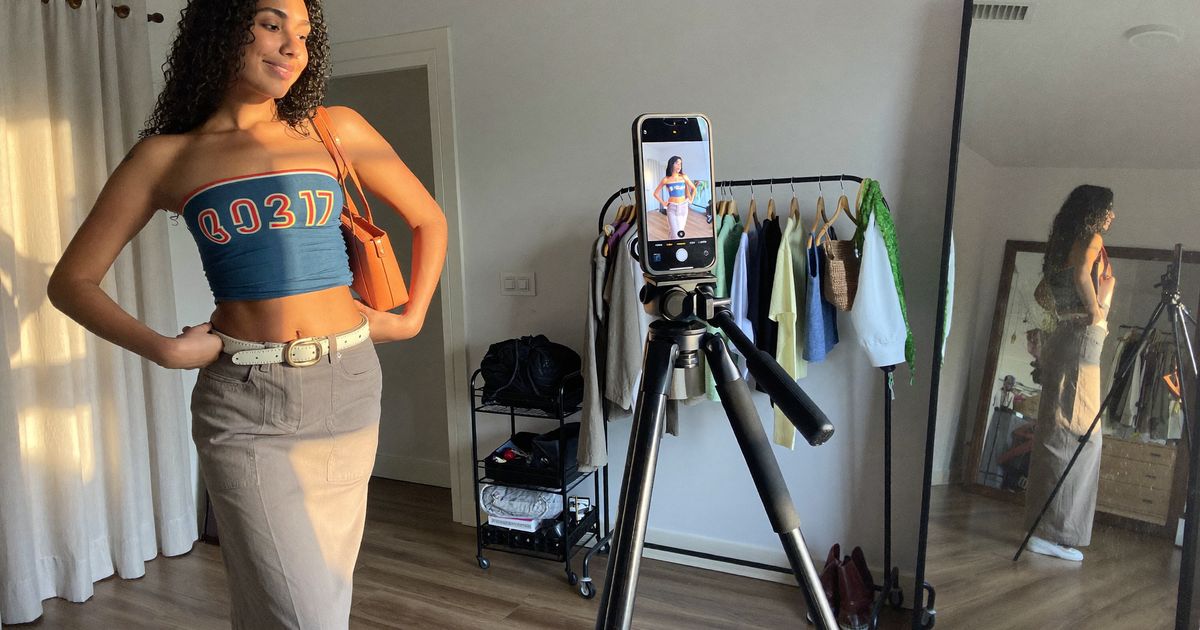
Luxury brand UGC is not simply a lower-budget version of brand advertising. When it works, it does something specific that conventional luxury marketing cannot: it places authentic human experience at the centre of the brand narrative without diminishing the brand's aspirational quality. The campaigns that achieve this balance share a set of common characteristics that can be distilled into practical guidance. These twelve tips reflect what consistently works — and what to avoid — in luxury UGC execution.
1. Cast for Lifestyle Alignment, Not Follower Count
The most reliable predictor of luxury UGC success is genuine lifestyle alignment between creator and brand. A creator whose wardrobe, travel habits, and aesthetic sensibility already reflect the brand's world produces content that is effortlessly consistent with brand values. Follower counts tell you about reach; lifestyle alignment tells you about credibility.
2. Brief Around the Ownership Experience, Not the Product Features
Luxury buyers are not purchasing a specification sheet — they are purchasing an experience, a feeling, and a social signal. Brief creators to speak to what ownership feels like, not what the product does technically. The emotional register of the brief determines the emotional register of the content.
3. Allow Genuine Reflection Time Before Filming
The best luxury UGC comes from creators who have genuinely used and considered the product — not creators who unboxed it the same day they filmed. Build usage periods into your production schedule: a week minimum for accessories and beauty products; a month for complex products like watches or travel experiences.
4. Specify Natural Light as a Visual Standard
Natural light is the single most effective visual standard for luxury UGC — it creates the warmth and texture that distinguishes high-quality phone footage from harsh flash photography or flat artificial light. Including this in the brief, with examples of what it looks like, raises the visual floor across all creator submissions.
5. Shoot in Aspirationally Coherent Environments
The environment in which a luxury product is shown matters almost as much as the product itself. Brief creators to film in environments that are visually coherent with the brand's world — not necessarily expensively produced, but aesthetically considered. A clean, uncluttered desk with good light says more about the brand than a cluttered room regardless of the product quality being shown.
6. Avoid Hyper-Promotional Language
Luxury UGC that sounds promotional destroys the authenticity that makes it valuable. The brief should explicitly discourage superlatives, explicit sales language, and urgency tactics ('limited stock,' 'buy now') that clash with the unhurried, considered register of luxury brand communication. Replace them with specific, reflective language: what the creator noticed, appreciated, or felt over time.
7. Deploy Differently Across Channels
The same luxury UGC content should not appear in all placements without adaptation. Organic Instagram thrives on aspirational aesthetic; product pages need specific, objection-addressing testimony; Meta retargeting needs a clear call to action oriented toward the consideration-stage buyer. Brief for multi-channel use from the outset, or create format variants in post-production.
8. Curate, Do Not Flood
For luxury brands, less is more in UGC deployment. Publishing curated, high-quality creator content less frequently is more consistent with luxury brand values than flooding social channels with a high volume of mediocre assets. Quality curation reinforces exclusivity even in the UGC format.
9. Let Creators Reference Heritage Where It Fits Naturally
Luxury brand heritage — craftsmanship, origin story, material provenance — is often the strongest emotional lever available. When it fits naturally in the creator's narrative, encourage them to reference it. Heritage referenced in the creator's own words is more credible than heritage repeated verbatim from brand copy.
10. Include Detail Close-Ups in the Brief
Luxury products justify their premium through visible quality details — stitching, hardware, texture, finish. A brief that explicitly requests close-up detail shots gives luxury UGC content the visual vocabulary that communicates craftsmanship without requiring the creator to describe it in words.
11. Measure for Consideration Depth, Not Just Reach
Luxury UGC success is poorly measured by reach metrics alone. The relevant performance indicators are time spent on product pages where creator content is embedded, product enquiry rates following UGC deployment, and assisted conversion rates (where UGC content appears in the attribution path even if it is not the last touchpoint). These metrics reveal the content's role in building the consideration that precedes a luxury purchase decision.
12. Build a Creator Relationship, Not a Transaction
The highest-performing luxury UGC comes from creators who feel genuinely connected to the brand — who want to feature the product because it genuinely fits their life, not because they are fulfilling a contract. Investing in the relationship — involving creators in new product previews, acknowledging their content publicly, giving them early access to launches — produces content quality that transactional relationships cannot achieve.
Takeaway
Luxury brand UGC that works is characterised by lifestyle alignment, reflective brevity, visual coherence, and deployment that respects the unhurried consideration cycle of luxury purchase decisions. These twelve practices are the consistent differentiators between luxury UGC campaigns that strengthen brand equity and those that inadvertently dilute it.
If you are developing a UGC programme for a luxury brand, book a strategy call and we will help you design an approach that is built for your brand's standards and your buyer's expectations.