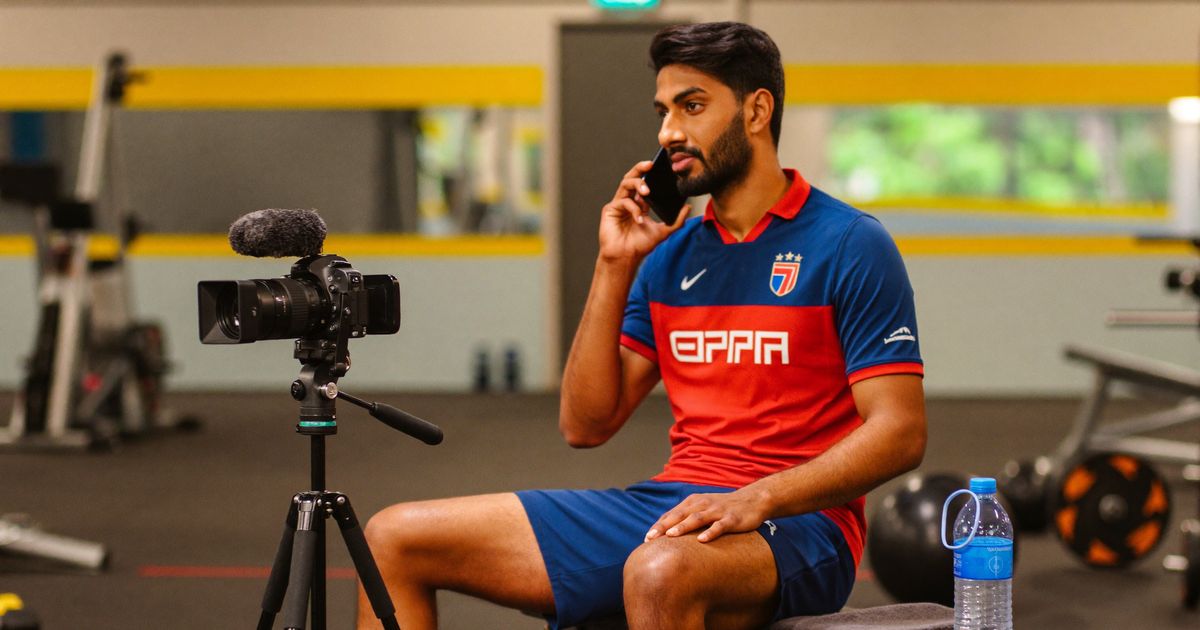
Most fitness brands that experiment with UGC treat it as a campaign tactic: commission a few transformation videos, run them as ads for a month, evaluate the results, and move on. This approach consistently underperforms. UGC for fitness works as a compounding system, not a one-off campaign — and the brands that understand this are the ones building sustainable growth on Meta, YouTube, and organic social. This is a guide to building that system.
Starting With Creator Sourcing That Matches Your Audience
The foundation of any UGC content engine is a reliable pool of creators who are genuinely relevant to your product and audience. For fitness brands, this means going beyond follower count and engagement rate. The creator who is perfect for a protein powder brand targeting women in their 30s is probably not the right fit for a high-performance gym chain targeting competitive athletes in metros. Criteria that actually matter: training history, body of content on their personal channels, the specific fitness community they are part of, and their willingness to give honest, unscripted feedback.
A UGC agency with an existing creator network cuts the sourcing timeline from months to weeks, because the vetting has already been done. The key output from sourcing is not one creator — it is a recurring pool of 8 to 15 creators who can produce content on a quarterly basis, rotating fresh faces and stories into your ad account regularly.
Structuring a Content Calendar Around Fitness Seasonality
Fitness has clear seasonal patterns that should anchor your UGC content calendar:
- January: New year resolution content — transformation stories, beginner testimonials, product trial reviews. This is the highest-volume opportunity of the year for most fitness brands.
- March to May: Pre-summer body goal content — stronger aspirational angles, progress update videos from creators who started in January.
- July to September: Monsoon fitness and indoor training content — relevant for gyms, apps, and home equipment brands.
- October to November: Post-festive reset content — the Diwali-to-New-Year window where fitness spending picks up again as consumers look to counteract the festive indulgence period.
Each seasonal window should have a briefed batch of creator content ready at least three weeks before the window opens, which means your UGC production schedule needs to run ahead of your campaign calendar.
Campaign Types That Should Always Be Running
A mature fitness brand UGC strategy has three types of campaigns running simultaneously, not sequentially:
- Acquisition campaigns: Top-of-funnel transformation, testimonial, and product-in-use content targeting cold audiences. These need the most creative refresh — new faces and angles every four to six weeks to avoid fatigue.
- Retargeting campaigns: More detailed, objection-handling UGC for audiences that have engaged with your brand or visited your website. Creator content that addresses price, efficacy, taste (for supplements), or product comparison works here.
- Retention and loyalty campaigns: Progress update videos, long-term customer testimonials, and community content that reinforces the decision for existing customers and supports subscription renewal or repeat purchase.
Performance Benchmarks to Guide Optimisation
Setting realistic benchmarks depends on your category within fitness, your average order value, and your current baseline. That said, there are directional signals that indicate a UGC content engine is working:
- A healthy UGC creative library should have at least one creative asset producing a hook rate (3-second view rate) above 30% on Meta Reels placements.
- Transformation videos typically outperform product-only videos on click-through rate, but product-in-use videos often produce stronger add-to-cart rates — use both and let data determine the mix.
- Creator content from the same brief will vary significantly in performance — expect 20% of your assets to drive 80% of your results, and plan your production volume accordingly.
- Refresh your top-performing creative by shooting new creators with the same brief rather than changing the angle — this extends the life of a proven concept while maintaining freshness.
Making the Engine Self-Sustaining
The goal over six to twelve months is an engine that does not require a complete rebuild every quarter. This means building systems: standardised creator briefing templates that your team can execute without agency support, a content tracking spreadsheet that maps each asset to its performance by stage and campaign type, and a quarterly creator refresh process that brings in new faces while retaining top performers. A UGC agency's role in a mature setup shifts from production to curation, quality control, and brief refinement — with the heavy lifting handled by established systems.
Takeaway
Building a UGC content engine for a fitness brand takes two to three months to establish and then compounds from there. The brands that commit to the system rather than treating UGC as a campaign experiment are the ones that build a durable creative advantage. Book a strategy call and we will help you design the right content engine for your fitness brand's stage and goals.