In an era where the average Indian consumer scrolls past thousands of ads daily, user-generated content has emerged as the single most effective way to stop the scroll and earn genuine attention. When a real person, not a brand, shares their experience with a product, the authenticity triggers an entirely different psychological response than polished advertising.
According to Stackla, 79% of consumers say UGC highly impacts their purchasing decisions, while only 13% say brand-created content has the same effect. For Indian brands specifically, where purchasing decisions are deeply social and trust-driven, the impact is even more pronounced. A BrightLocal survey found that 91% of 18-34 year olds trust online reviews as much as personal recommendations from friends and family.

Why User-Generated Content Outperforms Traditional Advertising in India
Traditional advertising follows a broadcast model: the brand speaks, the audience listens. But the modern Indian consumer has developed banner blindness, the brain's automatic filtering of anything that looks like an advertisement. UGC bypasses this filter entirely by presenting as social information rather than commercial messaging.
On Instagram, UGC-based ads see a 4x higher click-through rate compared to traditional brand creative. On Facebook, UGC ads drive a 50% lower cost-per-click. For Indian D2C brands, product pages featuring customer photo and video reviews convert at 2.7x the rate of pages relying solely on brand-supplied imagery.
The reason is rooted in psychology. When viewers see content that looks like it was created by a peer, their brain evaluates it for utility in decision-making. When they see content that looks like advertising, their brain evaluates it for manipulative intent. This distinction is the foundation of UGC's effectiveness.

The Indian Consumer Trust Economy
India presents an unique landscape for UGC. The country's collectivist culture places enormous value on social proof and community validation. Before making almost any purchase, from a Rs. 500 skincare product to a Rs. 50,000 smartphone, Indian consumers actively seek out opinions from other buyers.
This behaviour is amplified by the explosive growth of vernacular internet users. With over 500 million Hindi-speaking internet users and hundreds of millions more consuming content in Tamil, Telugu, Bengali, Marathi, and other regional languages, there is massive demand for authentic content in native languages. Brands investing in vernacular UGC are accessing markets that English-first competitors cannot reach.
Platform-Specific UGC Performance Benchmarks
- Instagram Reels: UGC Reels generate more engagement than branded Reels. The best-performing format is the 30-45 second talking-head review with captions.
- YouTube Shorts: UGC Shorts see 58% higher completion rates than branded Shorts. Unboxing and first-impression content dominates this format.
- WhatsApp Status & Groups: UGC shared via WhatsApp achieves 6x higher trust scores than content seen first on social media, because it arrives through personal networks.
- Product Pages: Adding video reviews to product pages lifts conversion rates by 29% on average across Indian D2C sites.
Types of UGC That Drive Maximum Brand Reach
Not all user-generated content is created equal. Different formats serve different stages of the customer journey, and the most successful brands deploy a strategic mix.
1. Video Reviews and Testimonials (Highest Converting)
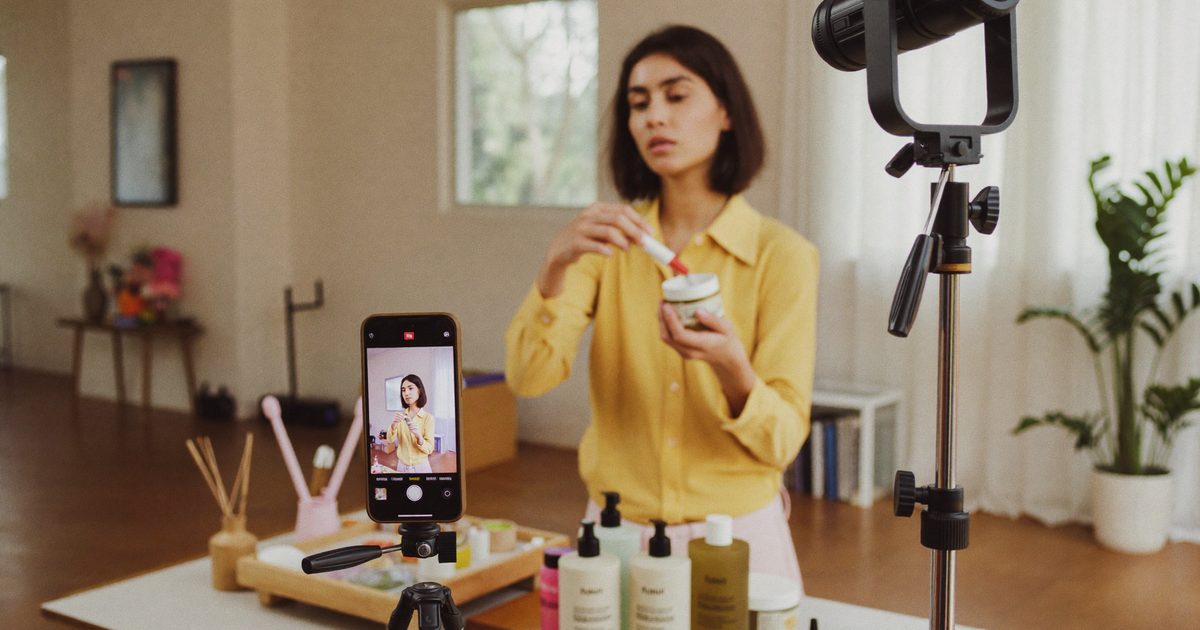
Short-form video reviews, 30 to 90 seconds, are the highest-converting UGC format. A creator speaking directly to the camera about their genuine experience creates an almost face-to-face recommendation. For Indian audiences, seeing someone who looks like them and speaks their language builds instant relatability.
2. Unboxing and First-Impression Content
The unboxing genre has exploded across YouTube and Instagram. The anticipation, packaging reveal, and authentic first reaction generate exceptionally high watch times. For D2C brands, unboxing UGC routinely outperforms polished product launch videos by 3x in view duration.
3. Before-and-After Transformation Content
For skincare, fitness, home decor, and fashion, transformation content is unmatched in persuasive power. When consumers see a real person's documented results over time, skepticism dissolves. The key is ensuring content feels documented rather than staged.
4. How-To and Tutorial Content
Customer-created tutorials showing real product use serve dual purposes, social proof and purchase anxiety reduction. For electronics, kitchen appliances, and beauty tools, tutorial UGC often becomes the deciding factor in purchase decisions.
Strategic Distribution: Getting UGC in Front of the Right Eyeballs
Creating great UGC is half the battle. Strategic distribution across owned, earned, and paid channels is where ROI is actually generated.
Paid Social Advertising: UGC creative in Meta and YouTube ads consistently delivers 30-50% lower CPAs than studio-produced creative. Brands like Wow Skin Science and Mamaearth have scaled to multi-crore revenues using predominantly UGC creative in their ad accounts. The key is testing 10-20 variations simultaneously and letting performance data determine which creators and angles scale.
Website and Product Pages: Embedding UGC, particularly customer photos and video reviews, directly on product pages increases conversion rates up to 29%. UGC answers the unspoken questions every buyer has: "What does this really look like? How does it work? Will it work for someone like me?"
Email and WhatsApp Marketing: Including UGC in cart abandonment emails and WhatsApp broadcasts recovers significantly more sales than text-only reminders. For more on scaling across channels, read our guide to multi-platform UGC strategy.
Measuring the Impact of Your UGC Program
To justify continued investment, brands must track the right metrics:
- Engagement Rate: UGC should benchmark 2-4x higher than branded content on the same channels.
- Conversion Rate: Measure UGC vs. non-UGC conversion on product pages and ads. Even a 20% improvement translates to significant revenue for established brands.
- Cost Per Acquisition: UGC ads typically drive 30-50% lower CPAs. Track by creator to identify top performers.
- Content Lifespan: Unlike campaign videos that feel dated in months, authentic UGC often remains effective for 12-18 months.
Building a Sustainable UGC Engine
Brands that win with UGC build systematic, always-on engines rather than one-off campaigns. This requires investment in creator relationships, content operations, and measurement infrastructure. For a detailed cost comparison between building in-house versus partnering with an agency, see our agency vs freelancer cost analysis.
Working with a specialized UGC agency provides immediate access to vetted creator networks, streamlined operations, and strategic expertise that compresses years of trial-and-error into months of predictable results.
Frequently Asked Questions About UGC Brand Reach
How much does UGC content creation cost in India?
UGC content costs in India range from Rs. 1,500 to Rs. 15,000 per video depending on creator experience, content complexity, and usage rights. Agency-managed UGC typically costs Rs. 3,000-10,000 per piece with full rights and quality guarantees included.
Which platforms perform best for UGC in India?
Instagram (Reels and Stories) delivers the highest engagement for UGC, followed by YouTube Shorts and WhatsApp. Meta ads using UGC creative consistently deliver the best ROAS for D2C and e-commerce brands.
How long does it take to see results from UGC?
Brands typically see measurable performance improvements within 30 days of deploying UGC in paid ads. Full-funnel UGC programs deliver compounding results over 3-6 months as the content library grows and performance data optimizes future briefs.
Can B2B brands use UGC effectively?
Yes. B2B UGC, customer testimonial videos, case study interviews, product walkthroughs by real users, performs exceptionally well on LinkedIn and YouTube, often outperforming whitepapers and traditional B2B advertising.