Most B2B SaaS founders we work with arrive with the same assumption: customer stories belong in long-form case studies, gated PDFs, or a dedicated testimonials page nobody reads past the homepage. What they rarely consider is that those same stories, told by actual users, on camera, in under 90 seconds, can run as paid social ads, outperform polished brand videos, and shorten a notoriously long sales cycle. The production mechanics are genuinely different from D2C UGC, and the mistakes are equally different. Here is how we actually approach this format.
B2B SaaS in India is maturing fast. Zoho, Razorpay, Leadsquared, Freshworks, WebEngage, Clevertap, the ecosystem now has enough successful software companies selling to Indian businesses that buyers are skeptical of feature-heavy ads. What moves them is a peer saying, in plain language, "this solved the specific problem I had." That is not a testimonial video; it is UGC built to a brief, and there is a substantial difference in how you get there.
Why Customer Stories Are Not Just Testimonials
A testimonial is reactive: you ask a happy customer "what do you think of us?" and they say something warm and vague. A customer story built for performance is proactive, it is structured around a specific before-and-after narrative that maps directly to the top objections in your sales pipeline. In our production briefs for SaaS clients, we ask the customer to speak to three things:
- The exact pain before they switched (not "we needed a better tool", something like "our sales team was manually updating CRM entries for 45 minutes every morning in Pune")
- One specific feature or workflow that changed the outcome
- A concrete result they can put a number or timeframe on, even approximate
This structure does two things: it keeps the video under 90 seconds naturally, and it gives the paid media team a hook-body-close that actually works in a Meta or LinkedIn feed. Generic praise does neither.
Finding and Briefing the Right Customers
The hardest part of this format is not production, it is sourcing. SaaS customers who are genuinely enthusiastic are often too busy to respond to a vague "would you like to be in a video?" email. We advise clients to approach this the way a good CSM would: identify customers who have recently hit a milestone (crossed a usage threshold, expanded seats, renewed after a near-churn), then reach out with a specific ask and a clear upside for them.
The incentive structure matters. For SMB customers in Tier cities across India like Jaipur, Surat, or Coimbatore, a Rs. 2,000–5,000 Amazon voucher or a free feature upgrade is usually sufficient. For enterprise-facing customers, the currency is often visibility: a co-branded post, a quote in a press release, or a logo feature on the website. Neither is inherently better, they reach different segments of your user base, and you want both.
Once you have a willing customer, the brief is everything. We send a two-page document, not a script, that covers the narrative arc, three to five specific prompts to prep with, and a few things to avoid (vague superlatives, any claims about competitors that could attract ASCI scrutiny). Under ASCI's guidelines on comparative advertising and endorsement disclosures, if your customer story will run as a paid ad, the relationship must be disclosed. We embed that disclosure language into the video itself, typically a brief verbal mention and an on-screen text overlay, rather than relying on platform tags alone, which are easy to miss.
The Production Formats That Actually Convert
We have tested several formats for B2B SaaS clients running campaigns on LinkedIn and Meta in India. The ones with the strongest performance metrics cluster into three categories:
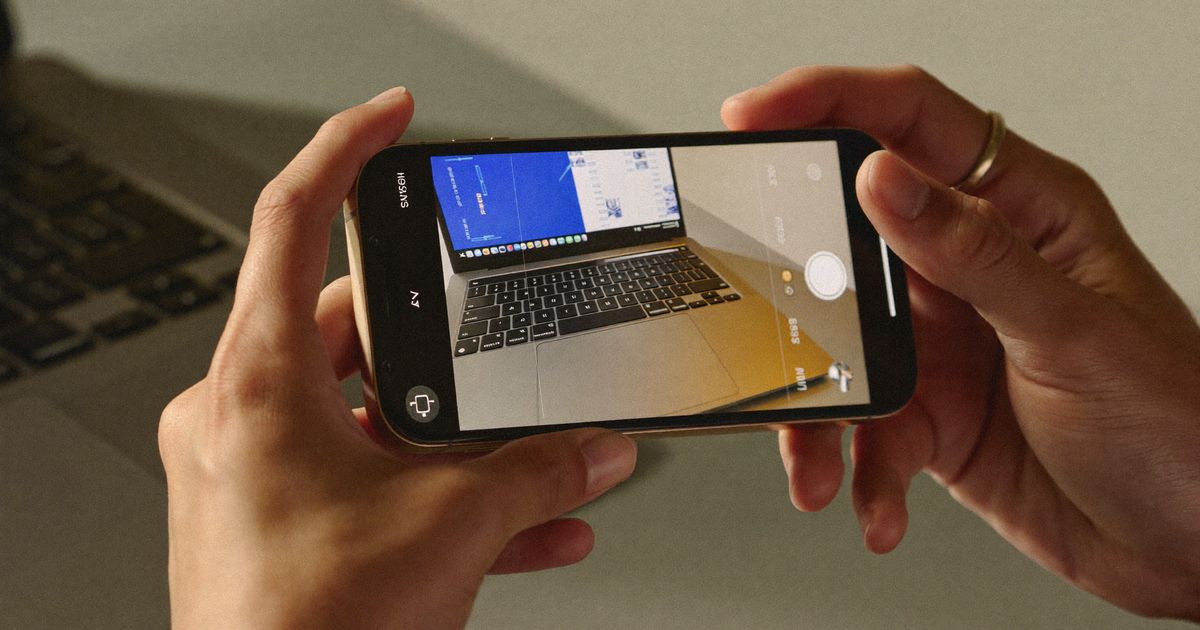
- Talking-head founder or team-lead POV (60–90 seconds): Shot on a smartphone or mirrorless camera, minimal background treatment, the customer speaks directly to camera. Authenticity is the asset here, over-produced videos in this format consistently underperform because B2B buyers recognise a polished production as marketing and unconsciously discount it. We shoot in the customer's actual workspace when possible: a busy fintech office in Bengaluru or a logistics company's operations floor in Chennai reads as credibility.
- Problem-solution split screen or B-roll overlay (30–45 seconds): The customer voices the before-and-after narrative while the editor cuts to brief screen recordings of the software in use. This works especially well for workflow-heavy tools, HR software, inventory management, data analytics platforms. We keep screen recordings to under 10 seconds each; longer and you lose the viewer on mobile.
- Multi-customer compilation (90 seconds–2 minutes): Three or four customers each speak to the same outcome but from different industries or roles. This format runs well as a retargeting ad for warm audiences who have already visited the pricing page. The implicit message is "companies like yours are already using this." We brief each contributor separately so the language does not sound coordinated, slight variation in vocabulary and tone is what makes these feel genuine rather than staged.
Localisation: The Underused Lever in B2B SaaS UGC
Most SaaS UGC campaigns in India run in English because the product UI is in English and the marketing team thinks in English. This is a missed opportunity, particularly in sectors where decision-makers are not metropolitan-English-first: manufacturing SMBs in Gujarat, retail chains in Tamil Nadu, logistics operators in UP and Maharashtra.
When we brief a customer in Ahmedabad who runs a mid-size textile distribution company, we encourage them to speak in Gujarati or Hinglish depending on what feels natural. The resulting video is then versioned: one cut runs on LinkedIn targeting English-first decision-makers in metros, a localised cut runs on Meta targeting business owners by geography and language. The conversion rate difference between the two versions is consistently meaningful, not because the product message changed, but because the trust signal is higher when the speaker sounds like the viewer.
This also applies to the cultural context within the story. A customer from Hyderabad talking about how the software helped their team during Dasara inventory season, or a Mumbai founder referencing the GST filing crunch in March, creates a specificity that no English-only global ad can replicate.
Distribution: Where B2B SaaS Customer Stories Live and Die
Production quality means nothing if the distribution strategy is wrong. These are the channels and placements that work for Indian B2B SaaS UGC specifically:
- LinkedIn paid video: The most obvious channel, but the brief needs to account for LinkedIn's feed behaviour, most viewers watch without sound initially. We ensure the first five seconds work as silent video: strong visual, large-text hook on screen, a face reacting to something specific. We avoid the generic "We're excited to share…" thumbnail frame that most B2B brands default to.
- Meta (Facebook + Instagram) retargeting: Works extremely well for SaaS with a product-led growth motion, free trial users who haven't converted. A 60-second customer story from someone in a similar industry can be the nudge that moves a trial user to a paid plan. We segment by the customer's industry in the ad set when possible.
- Sales enablement: Often overlooked. A 90-second video from a CFO at a mid-size manufacturing company is worth more in a sales email to another CFO than three pages of ROI calculations. We produce a separate "sales version" without the paid-ad disclosure overlay for this use case, with explicit written permission from the customer.
- G2 and Capterra profiles: Both platforms allow video reviews. A well-produced customer story uploaded here lives indefinitely, surfaces in organic search, and influences buyers who are actively comparing vendors.
The Brief-to-Publish Timeline and What It Actually Costs
In our experience running this for SaaS clients with ARR ranging from Rs. 2 crore to Rs. 50 crore, a full customer story campaign, four to six videos, two platform versions each, with localised cuts, takes six to eight weeks from customer identification to final assets. The production investment typically sits between Rs. 1.5 lakh and Rs. 3.5 lakh depending on number of videos, location shoots, and localisation requirements. That is before media spend.
The metric we track for SaaS clients specifically is not just CTR or CPL, it is the influence on sales cycle length. Customer story ads shown to prospects in a retargeting window consistently correlate with shorter time-to-close in the deals they touch, which is harder to attribute directly but shows up clearly when sales teams report on deal progression. We build a lightweight attribution framework into every campaign, UTM-tagged landing pages per video, a brief survey question in the demo booking form, so the data exists to make the case internally.
"The video our customer shot from his office in Nagpur closed two enterprise deals in six weeks. Neither of those buyers had responded to six months of outbound emails."
If you are running a B2B SaaS brand and want to move beyond static case studies and generic testimonials, the customer story UGC format is one of the few content investments that compounds, in paid performance, in sales conversations, and in organic search. We have built this workflow end-to-end for software companies in fintech, HR tech, edtech, and logistics. You can see how we structure and produce these campaigns on our work page, or book a consultation to talk through what a pilot campaign might look like for your buyer profile and pipeline stage.