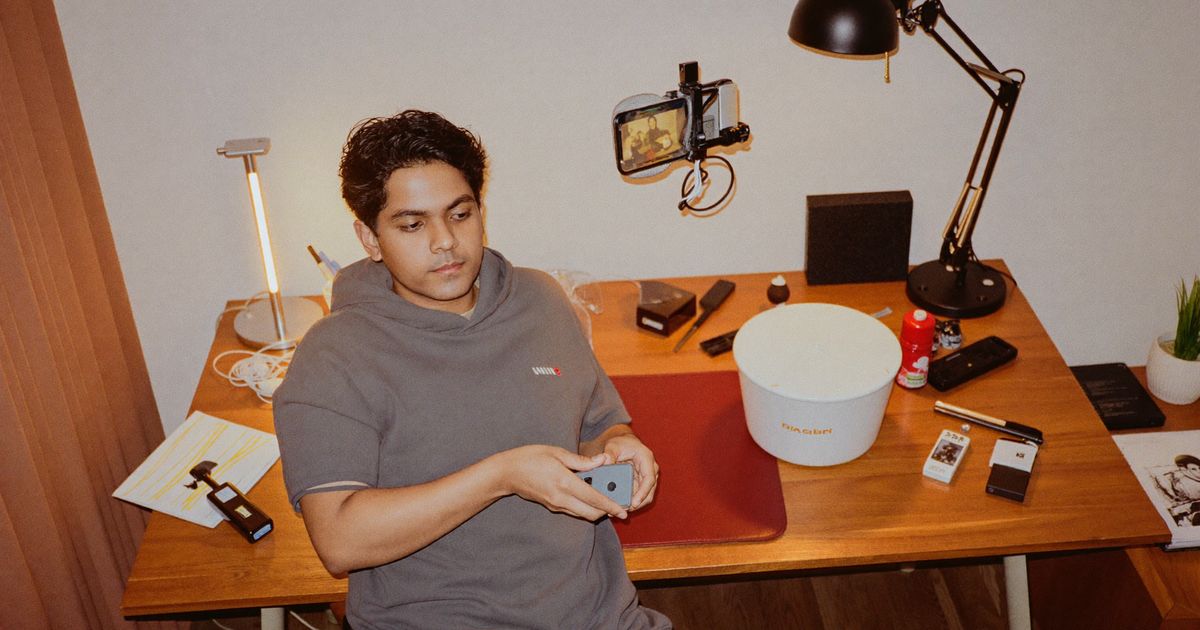
Marketing to Indian gamers requires understanding one fundamental dynamic: this is an audience that has grown up consuming content from creators they chose, not brands that found them. The average Indian mobile gamer between eighteen and thirty has a finely calibrated detector for inauthenticity. UGC that reads like advertising—forced enthusiasm, scripted talking points, unnatural camera behaviour—gets scrolled past or muted immediately. The gaming brands that are winning in this market are the ones who understand how to use UGC to feel like community content rather than paid promotion.
1. Lead With Gameplay Moments, Not Product Features
Gaming UGC that shows actual gameplay—a tense clutch moment, a ranked progression milestone, a strategy reveal—earns engagement that product-feature UGC cannot. For hardware brands (headsets, controllers, chairs), brief creators to show how the product performs in a real session, not how it looks on a desk. For software and mobile game brands, show the emotional moment of victory or frustration—the feelings that make people want to share.
2. Use Micro-Creators Who Are Genuinely In the Community
A macro gaming creator with a million followers talking about a peripheral brand feels like a sponsorship, even when the content is genuine. A creator with fifteen thousand followers who has been streaming BGMI for two years and is known in that specific community feels like a peer recommendation. For Indian gaming brands with modest budgets, ten micro-creator relationships outperform two macro placements in terms of trust-building and community penetration.
3. Create Content Around Specific Games and Genres
Indian gaming audiences are highly segmented by game and genre. The BGMI community, the FIFA mobile community, and the PC strategy community have different vocabularies, different content formats, and different platforms they congregate on. Generic 'gamer' content that does not reference specific games reads as out-of-touch. Brief creators to be explicit about the game context—this signals community membership to the audience in ways that generic gaming references cannot.
4. Co-Create Content With Your Community, Not Just Creators
The most authentic gaming UGC is not commissioned—it is encouraged. Brands that build in-game challenges, ranked tournaments, screenshot competitions, or clip submission programmes generate genuine user content that costs little to produce and earns enormous community credibility. This content can be amplified as paid ads after it has already earned organic engagement—social proof layered on social proof.
5. Address Real Gaming Pain Points, Not Aspirational Ones
Gaming hardware UGC that focuses on aspirational performance—'play like a pro'—has become generic and ineffective. UGC that addresses real, specific pain points performs better: overheating during long sessions in Indian summers, laggy controls on mid-range phones, audio bleed in shared apartments. These are problems real Indian gamers live with, and a creator who names them accurately builds instant credibility.
6. Use Long-Form for YouTube, Short-Form for Instagram
Indian gaming audiences consume content differently across platforms. YouTube is where long-form reviews, tutorials, and session VODs live—fifteen-minute videos with genuine depth. Instagram Reels is where moments travel—fifteen to thirty seconds of highlight gameplay or quick takes. Build your UGC strategy with platform-specific briefs rather than trying to cut a long-form video into a Reel after the fact.
7. Test Paid Amplification on Organic Content First
The best paid UGC for gaming brands started as organic content that was already performing. Run a monthly audit of organic creator content featuring your brand or products. The videos with the highest engagement relative to the creator's average are your creative hypotheses for paid—the organic audience has already told you what resonates. License those assets for paid amplification rather than producing entirely new creative.
Takeaway
Gaming UGC works when it earns its place in the community rather than interrupting it. Gameplay-first content, genre-specific creators, co-created community content, and platform-native formats are the foundations of a gaming UGC strategy that builds trust while scaling reach. If you want to build a UGC programme for your gaming brand with creators who are actually in the community, book a strategy call and we will map the right approach for your category.