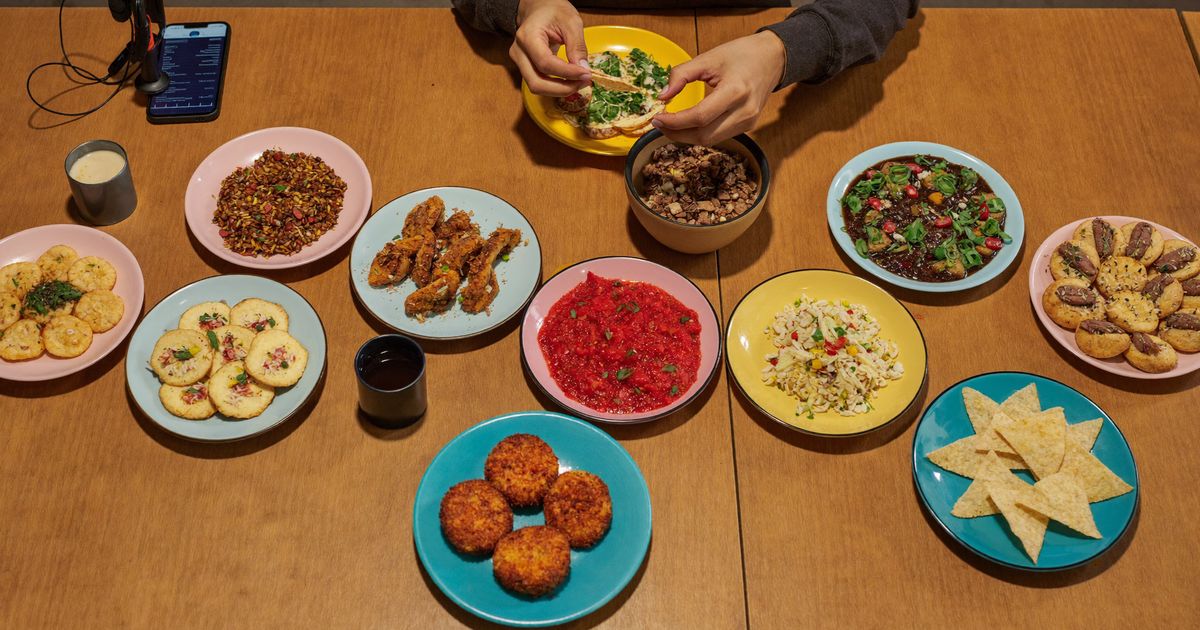
Food is perhaps the most personal category in consumer marketing. Indians are proud, opinionated, and experienced evaluators of what they eat — shaped by regional cuisine traditions, family preferences, health consciousness, and a cultural relationship with food that runs far deeper than nutritional information. For a D2C food brand, breaking through to this consumer requires more than attractive packaging and good ad targeting. It requires social proof that is specific, culturally resonant, and delivered by people whose food judgment the buyer actually trusts. That is precisely what UGC is designed to produce.
Strategy 1: Real Kitchen, Real Recipe Integration
Food creators who film in their actual kitchen — the slightly cluttered countertop, the family-sized kadai, the realistic cooking context rather than a staged food set — generate dramatically more trust than polished food styling videos. For Indian food brands, showing how a product integrates into the everyday cooking process (not a special occasion recipe, but Tuesday's dinner) is the most direct proof that it belongs in a real Indian home. Brief creators to cook with your product as they would cook with any ingredient — without special setup or staging.
Strategy 2: Regional Food Culture Alignment
Indian regional food identities are distinct and deeply held. A snack brand that resonates with a Mumbai palette may need completely different creator content to connect with a Kolkata or Chennai consumer. Build creator cohorts for each major regional market that you are targeting, briefed on showing how your product fits within the food culture of that specific region — not a national campaign forced into a regional context, but genuinely regionally sourced content from creators who embody that food tradition.
Strategy 3: Taste Reaction and Honest Sensory Feedback
For food products where taste is the primary value proposition, the most credible UGC is genuine first-taste reaction content — not orchestrated expressions of delight, but honest, real-time sensory responses. When a creator's face and verbal response to a first taste ring true, it is one of the most powerful pieces of social proof available. Brief creators to film their genuine first experience with a new product, trusting that authentic responses — including qualifying statements like "it is sweeter than I expected but actually works in chai" — convert better than uniformly enthusiastic testimonials.
Strategy 4: Health and Ingredient Transparency
The Indian health food market has grown significantly, and with it, a consumer base that reads ingredient labels, compares nutritional profiles, and is sceptical of health claims. UGC from creators who engage genuinely with nutrition and ingredient transparency — who can speak to what the ingredients are, why they matter, and how they compare to conventional alternatives — builds the informed trust that this buyer segment requires. This is especially effective for categories like protein supplements, healthy snacking, organic staples, and speciality flours where the health proposition is central to the purchase decision.
Strategy 5: Festive and Seasonal Moment Integration
Indian food consumption has strong seasonal and festive dimensions that brand advertising often addresses superficially. Creator content that genuinely integrates a food product into Diwali preparation, Ramzan cooking, regional harvest festivals, or summer family gatherings — from creators who actually observe those occasions — resonates with an authenticity that a generic festive campaign cannot approach. The key is briefing creators well ahead of seasonal moments and letting them integrate the product into their genuine festive content rather than producing separate promotional material.
Strategy 6: Community Trust Through Food Groups and Networks
Some of the most influential food content in India does not live on Instagram or YouTube — it lives in WhatsApp cooking groups, regional food Facebook communities, and RWA notice boards. UGC strategies that include facilitating genuine creator participation in these communities — sharing recipes, responding to food questions, participating in cook-along events — build grassroots credibility that paid social cannot manufacture. This requires working with creators who are genuine members of these communities, not external voices parachuted in for a campaign.
Strategy 7: Multi-Use Demonstration
Food products with multiple use applications benefit enormously from creator content that explores those applications genuinely. A creator who shows three unexpected uses for a product — beyond the primary use depicted in the brand's own content — signals product versatility and user discovery that promotional content cannot convey. This type of content also tends to generate strong community engagement, as viewers respond with their own use ideas and variations, generating organic amplification that compound the initial UGC investment.
Takeaway
Food brand UGC works when it is specific, culturally aware, sensory-honest, and produced by creators with genuine relationships with food — not lifestyle creators with food as a peripheral content category. The seven strategies above share a common thread: they treat food as the deeply personal, culturally situated experience it is for Indian consumers, rather than reducing it to promotional product demonstration. That respect for the consumer's relationship with food is what makes the content trustworthy.
Ready to build a UGC strategy for your food brand? Book a strategy call and we will identify the creator profiles and content angles that will resonate most strongly with your specific audience and category.