Fitness is one of the most saturated categories in Indian D2C, and it's also one of the categories where UGC has the highest potential for genuine differentiation. Results-focused, authentic content from real users cuts through the noise in a way that heavily produced brand creative can't. But fitness brands consistently make the same set of mistakes that cap the effectiveness of their UGC investments. Here are the six most common.
Mistake 1: Casting Only Aspirational Bodies
Fitness UGC that only features highly trained physiques tells most viewers that the product is for people who are already fit — not for people who want to get there. This is counterproductive for most fitness products, which are trying to acquire new-to-category or return-to-fitness buyers. Include creators who are genuinely on their fitness journey, not at the end of it. The most persuasive fitness testimonial is from someone who was where your buyer is now.
Mistake 2: Making Unsubstantiated Transformation Claims
"Lost 10 kg in 30 days" — Indian consumers have seen these claims on enough unregulated products to be deeply skeptical. Overclaiming in fitness UGC triggers the trust filter and discredits the content. Focus instead on honest, process-focused claims: "I've been using this protein consistently for eight weeks and I've noticed real strength gains in my compound lifts." Credibility comes from specificity and honesty, not from dramatic results that sound implausible.
Mistake 3: Ignoring the Journey, Focusing Only on the Result
The most compelling fitness content is process content — what the creator's routine looks like, how the product integrates into their day, what they felt after the first week versus the fourth week. Results are the reward but the journey is the story that buyers want to see, because it's the story they're imagining themselves in. Structure fitness UGC briefs to include the journey narrative, not just the outcome.
Mistake 4: Neglecting the Taste and Texture Question for Supplements
For fitness supplements — proteins, pre-workouts, mass gainers — taste and mixability are among the most important purchase drivers. A creator who doesn't address these sensory qualities in the video is missing the answers to the questions that most buyers have. Brief supplement creators specifically to cover: how does it taste, how does it mix, what's the consistency, does the sweetness feel artificial? These details convert skeptical buyers more than any performance claim.
Mistake 5: Producing for Gym, Ignoring Home Fitness
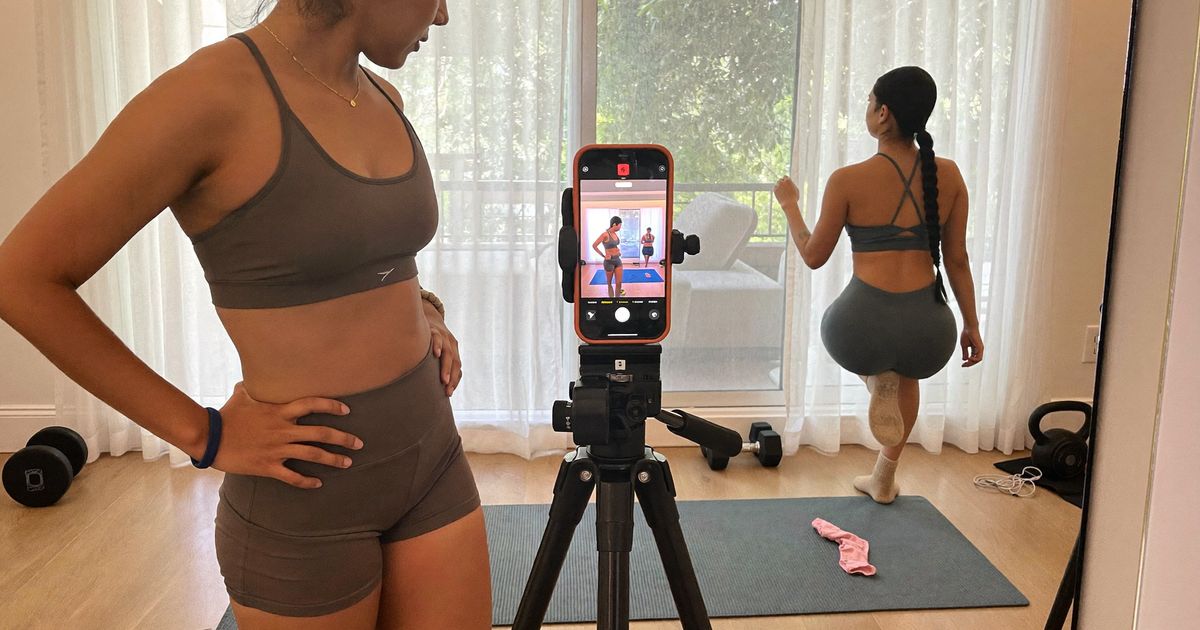
Home fitness has grown significantly in India post-2020, and a substantial portion of fitness product buyers are working out at home — not in gyms. UGC that only shows products being used in gym settings misses this buyer. Create parallel content showing products in home workout contexts: a yoga mat review that includes a bedroom or balcony setting, a resistance band demonstration in a living room, a protein supplement reviewed in a home kitchen. Match the content setting to the buyer's actual environment.
Mistake 6: Not Addressing the Commitment Objection
Many fitness product buyers hesitate not because they doubt the product but because they doubt their own consistency. "I've bought five different protein powders and never finished them" is a real internal objection. UGC that acknowledges and gently addresses this — "I know I've started and stopped before, but this is the third month I've stuck to this routine" — gives the buyer permission to believe this time will be different. This objection-handling is brand-agnostic but highly relevant to the fitness category's core purchase barrier.
Takeaway
Fitness UGC works best when it's honest, journey-focused, and matched to the real buyer's context rather than the aspirational buyer's context. Fixing these six mistakes changes how persuasive your content is without requiring any increase in production budget. Book a strategy call to audit your fitness UGC strategy and identify the highest-impact improvements.